
Restaurant Style Egg Curry at Home
Egg curry is one of the most comforting and flavorful dishes enjoyed in many homes. It is popular because it combines simple ingredients with rich spices to create a satisfying meal. While egg curry is commonly prepared at home, many people enjoy the deeper flavor and aroma of the version served in restaurants. The good news is that a delicious restaurant-style egg curry can also be prepared easily in your own kitchen.
This dish is known for its smooth, spicy gravy and perfectly cooked eggs that absorb the flavors of the sauce. When prepared correctly, the curry has a rich texture, balanced spices, and an inviting aroma that makes it perfect for lunch or dinner.
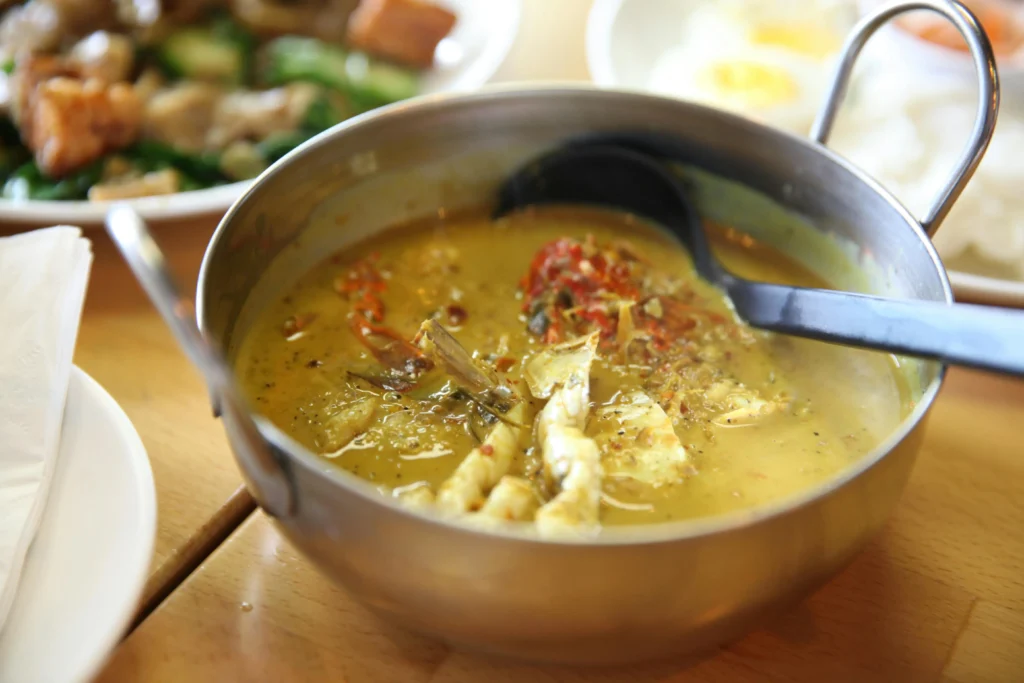
Restaurant-style egg curry is usually served with rice, naan, chapati, or paratha. The thick gravy and flavorful spices make it a complete meal that can be enjoyed with family or guests.
What Makes Restaurant Style Egg Curry Special
Restaurant-style egg curry is different from basic homemade curry because of the way the spices and ingredients are cooked together. Restaurants usually focus on building layers of flavor by sautéing onions properly, cooking tomatoes until they blend smoothly, and using a balanced mix of spices.
Another factor that makes restaurant-style curry special is the texture of the gravy. Instead of being watery, the gravy is slightly thick, rich, and aromatic. This allows the eggs to absorb the spices and enhances the overall taste of the dish.
The cooking technique also plays an important role. Slow cooking and proper mixing of spices help develop the deep flavor that people enjoy in restaurant dishes.
Ingredients Required
Preparing restaurant-style egg curry does not require complicated ingredients. Most of the items are commonly available in household kitchens.
| Ingredient | Quantity |
|---|---|
| Boiled eggs | 4–6 |
| Onion (finely chopped) | 2 medium |
| Tomatoes (puree or chopped) | 2 medium |
| Cooking oil | 3 tablespoons |
| Ginger garlic paste | 1 teaspoon |
| Green chili | 1 |
| Turmeric powder | ½ teaspoon |
| Red chili powder | 1 teaspoon |
| Coriander powder | 1 teaspoon |
| Garam masala | ½ teaspoon |
| Salt | To taste |
| Fresh coriander leaves | 2 tablespoons |
| Water | As needed |
Using fresh ingredients ensures that the curry develops a rich and balanced flavor.
Kitchen Tools Needed
Only basic cooking tools are required to prepare this dish.
| Kitchen Tool | Use |
|---|---|
| Cooking pan or pot | For preparing curry |
| Knife | Chopping vegetables |
| Cutting board | Preparing ingredients |
| Spatula | Mixing ingredients |
| Bowl | Holding boiled eggs |
These simple tools are enough to prepare a flavorful restaurant-style egg curry.
Preparing the Eggs
Before starting the curry, the eggs should be boiled properly. Place the eggs in a pot filled with water and cook them on medium heat for about 10 minutes. Once they are fully boiled, remove them from the hot water and allow them to cool.
After cooling, peel the eggs carefully and make small shallow cuts on the surface. This allows the eggs to absorb the flavor of the curry when they are added to the gravy.
Some people also lightly fry the boiled eggs in oil before adding them to the curry. This step gives the eggs a slightly golden color and enhances their flavor.
Preparing the Curry Base
The base of egg curry is made from onions, tomatoes, and spices. This mixture forms the main flavor of the dish.
Start by heating oil in a cooking pan on medium heat. Once the oil is warm, add the chopped onions and sauté them until they become soft and slightly golden. Properly cooked onions give the curry a rich taste and aroma.
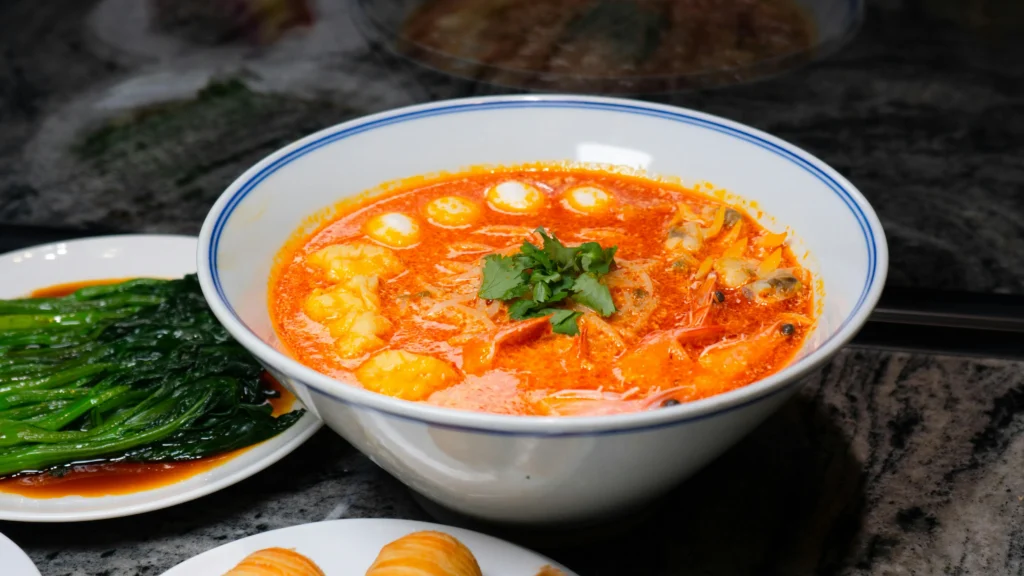
Next, add ginger garlic paste and green chili to the pan. Cook this mixture for a minute so that the fragrance develops.
After that, add chopped tomatoes or tomato puree and cook the mixture until the tomatoes become soft and begin to blend with the onions. This step is important because it creates the thick gravy base.
Adding Spices
Spices are the heart of egg curry. When the tomato mixture begins to thicken, add turmeric powder, red chili powder, coriander powder, and salt.
Mix the spices well with the onion and tomato base. Cook the mixture for a few minutes until oil starts to separate slightly from the sides of the pan. This indicates that the spices have blended properly with the gravy.
At this stage, the curry base should have a deep color and a strong aroma.
Cooking the Egg Curry
Once the gravy base is ready, add a small amount of water to adjust the consistency of the curry. Stir the mixture well so that the gravy becomes smooth.
Now gently place the boiled eggs into the pan. Make sure the eggs are coated with the curry so they absorb the flavor of the spices.
Allow the curry to simmer on low heat for several minutes. This slow cooking process allows the eggs to blend with the gravy and develop a richer taste.
Finally, sprinkle garam masala and fresh coriander leaves over the curry. Mix lightly and turn off the heat.
Flavor Enhancing Tips
Several small techniques can improve the taste of egg curry and make it closer to restaurant quality.
One useful tip is to cook the onions slowly until they reach a golden color. This step develops natural sweetness that balances the spices.
Another tip is to cook the tomato mixture thoroughly before adding water. Properly cooked tomatoes give the gravy a smooth texture and deeper flavor.
Adding a small amount of butter at the end can also enhance the richness of the dish.
Fresh coriander leaves added at the final stage provide freshness and improve the presentation.
Nutritional Information
Egg curry is not only flavorful but also contains important nutrients. Eggs provide protein while the spices and vegetables contribute additional vitamins and minerals.
| Nutrient | Approximate Value (per serving) |
|---|---|
| Calories | 250–300 kcal |
| Protein | 14–16 g |
| Fat | 18 g |
| Carbohydrates | 6–8 g |
| Iron | Moderate |
| Vitamin B12 | Good source |
These nutrients make egg curry a satisfying meal that can provide energy throughout the day.
Serving Suggestions
Restaurant-style egg curry pairs well with a variety of side dishes. The thick and flavorful gravy complements both rice and bread.
| Serving Option | Description |
|---|---|
| Steamed rice | Simple and classic pairing |
| Chapati | Light and traditional option |
| Paratha | Rich and filling combination |
| Naan bread | Popular restaurant-style serving |
Some people also add sliced onions and lemon wedges on the side to enhance the taste of the meal.
Variations of Egg Curry
Egg curry can be prepared in different ways depending on regional cooking styles. Some variations include adding coconut milk to create a creamy texture, while others include extra spices for a stronger flavor.
Vegetables such as peas or potatoes can also be added to the curry to make the dish more filling. In some recipes, yogurt is mixed into the gravy to create a slightly tangy taste.
These variations allow cooks to adjust the dish according to their personal preferences while still maintaining the core flavor of egg curry.
Storage and Reheating
Egg curry can be stored in a refrigerator for a short period if there are leftovers. Place the curry in a covered container and keep it refrigerated.
When reheating, warm the curry on low heat and add a small amount of water if the gravy becomes too thick. Stir gently so that the eggs do not break.
Freshly prepared egg curry always has the best flavor, but reheated curry can still taste delicious when warmed properly.
Why Many People Love Egg Curry
Egg curry is loved by many people because it offers a satisfying balance of spices, texture, and aroma. The dish is simple to prepare while still delivering the rich taste often associated with restaurant meals.
Eggs absorb the flavorful gravy and create a comforting meal that pairs well with common side dishes. Because of its versatility and delicious taste, egg curry continues to remain a favorite dish in many households.
Read Our Delicious Recipies: Healthy Vegetable Egg Breakfast Recipe
Conclusion
Restaurant Style Egg Curry at home is a delicious and satisfying dish that combines simple ingredients with rich spices to create a flavorful meal. With the right cooking method and proper preparation of the gravy, it is possible to achieve the same deep taste and aroma that people often enjoy in restaurants. The combination of boiled eggs and well-cooked onion–tomato gravy creates a balanced dish that is both comforting and filling.
This recipe is appreciated for its simplicity and flexibility. The ingredients are easy to find, and the cooking process allows adjustments according to personal taste preferences. Whether served with steamed rice, soft chapati, or warm naan bread, egg curry offers a warm and enjoyable meal that can be prepared for everyday dining or special occasions.
Preparing restaurant-style egg curry at home also allows better control over ingredients and freshness. By following the proper steps and cooking the spices carefully, anyone can create a rich and flavorful egg curry that brings the taste of restaurant cooking into their own kitchen.
Frequently Asked Questions (FAQs)
1. Can restaurant-style egg curry be made easily at home?
Yes, restaurant-style egg curry can be prepared at home using simple ingredients such as eggs, onions, tomatoes, and common spices. The key is to cook the onion and tomato base properly so the gravy develops a rich flavor.
2. Should the boiled eggs be fried before adding them to the curry?
Lightly frying boiled eggs in oil is optional, but many cooks prefer this step. Frying the eggs gives them a slightly golden color and helps them absorb the flavor of the curry more effectively.
3. What is the best way to thicken egg curry gravy?
The gravy becomes thick when onions and tomatoes are cooked well before adding water. Cooking the spice mixture until oil separates slightly also helps create a richer and thicker curry base.
4. Which spices give egg curry its restaurant-style flavor?
Common spices such as turmeric powder, red chili powder, coriander powder, and garam masala are essential for creating the classic flavor of restaurant-style egg curry.
5. Can egg curry be stored for later use?
Yes, egg curry can be stored in the refrigerator for about one day in an airtight container. When reheating, it is recommended to warm it slowly and add a little water if the gravy becomes too thick.
6. What dishes can be served with egg curry?
Egg curry pairs well with steamed rice, chapati, paratha, or naan bread. These options complement the rich and flavorful gravy.
7. Can vegetables be added to egg curry?
Yes, vegetables such as peas, potatoes, or capsicum can be added to egg curry. These ingredients provide additional texture and make the dish more filling.
Note: For More Delicious & Tasty Egg Recipies Visit our Website: Recipies Sites