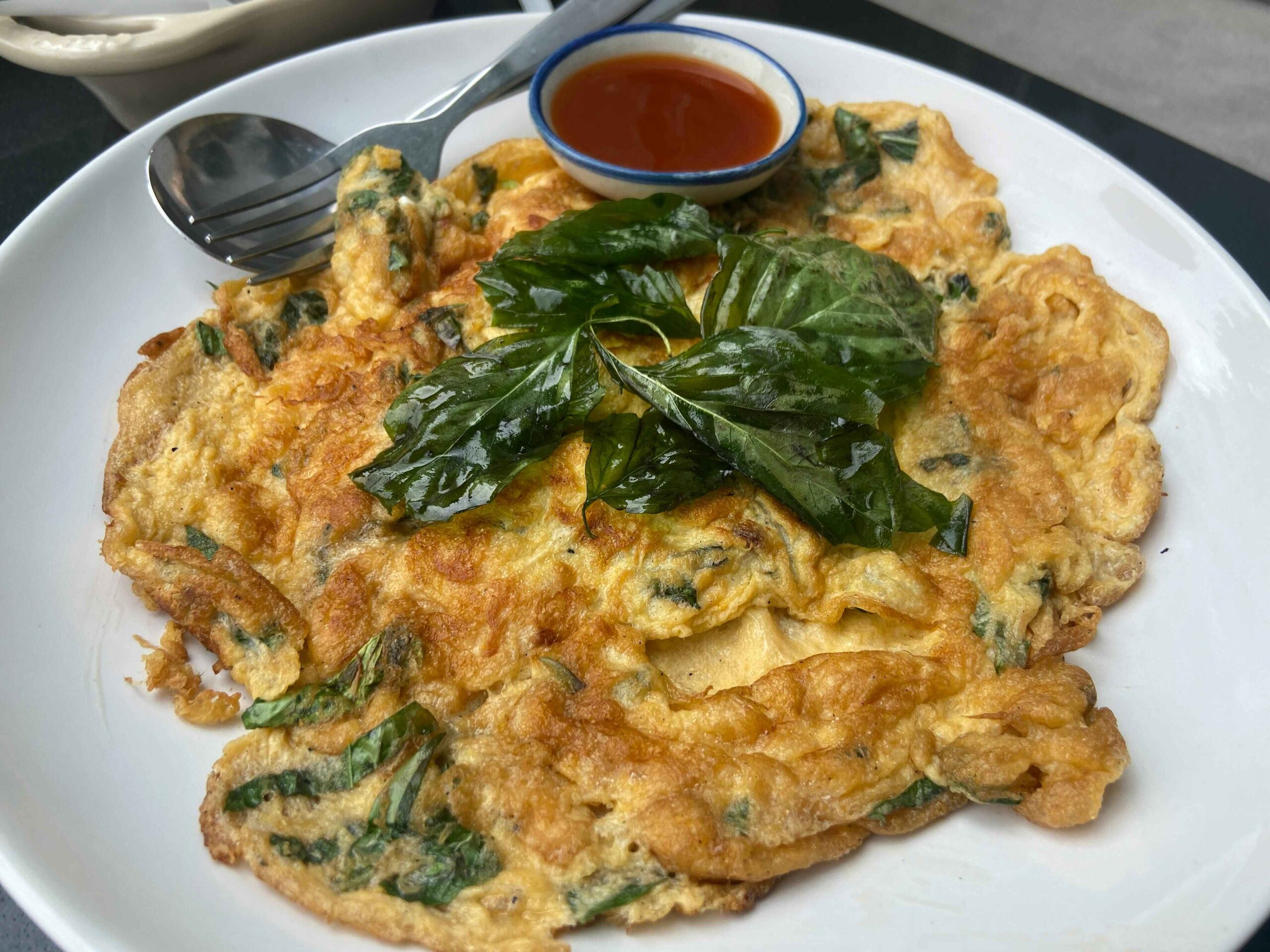
Soft and Fluffy Egg Omelette Cooking Method
Egg omelette is one of the most loved egg dishes around the world. It is simple, delicious, and can be prepared within a short time using basic kitchen ingredients. A perfectly cooked omelette should be soft, light, and fluffy in texture with a rich egg flavor. Many people enjoy omelettes as part of their morning meal because they are filling and can be paired with bread, toast, or fresh vegetables.
A soft and fluffy omelette is slightly different from a regular omelette because of the cooking method used. The texture is lighter, and the eggs remain tender rather than becoming dry or rubbery. With the right ingredients and proper cooking technique, it is possible to prepare a perfectly fluffy omelette at home that tastes similar to what is served in restaurants.
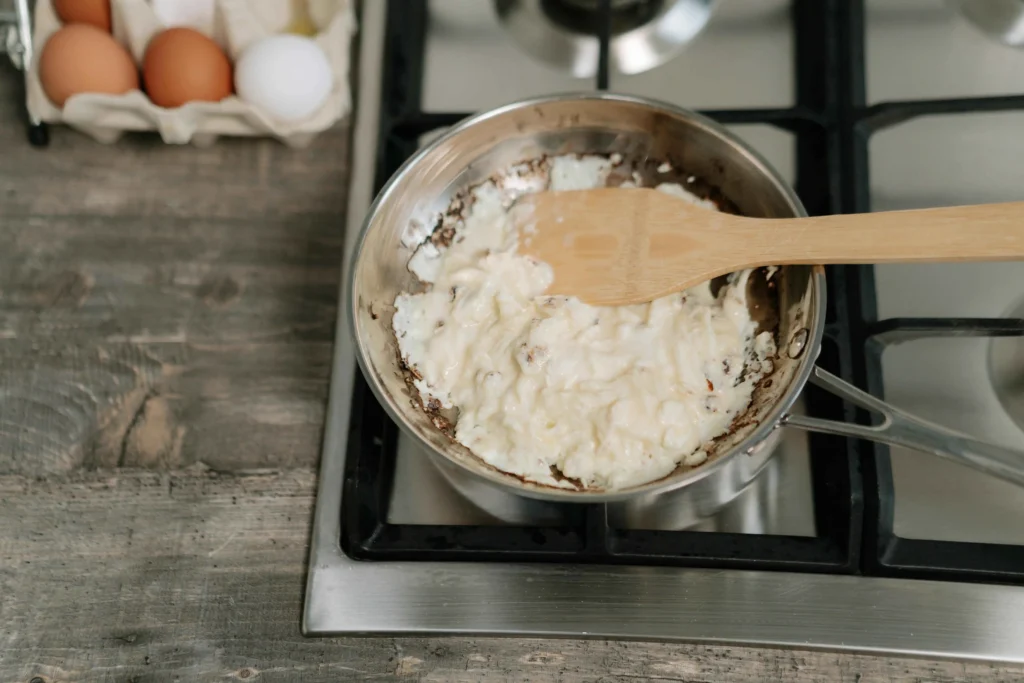
This cooking guide explains everything about making a soft and fluffy egg omelette, including the ingredients, preparation methods, cooking tips, and variations that can improve the overall flavor and texture.
Understanding the Texture of a Fluffy Omelette
The most important characteristic of a good omelette is its texture. A soft omelette should be slightly airy, moist inside, and gently folded rather than overcooked. The fluffy texture comes from properly beating the eggs and cooking them on the right heat.
When eggs are whisked properly, air enters the mixture, which helps create a lighter structure during cooking. This is why chefs often spend extra time beating the eggs before pouring them into the pan.
Another important factor is the cooking temperature. Omelettes cooked on very high heat tend to become dry and tough. Cooking on medium or low heat allows the eggs to cook slowly and maintain their softness.
Ingredients for a Soft and Fluffy Omelette
The ingredients required for this recipe are simple and commonly found in most kitchens. Fresh eggs are the most important component because they directly affect the flavor and texture of the omelette.
| Ingredient | Quantity |
|---|---|
| Eggs | 2–3 |
| Milk or cream | 1 tablespoon |
| Salt | To taste |
| Black pepper | ¼ teaspoon |
| Butter or cooking oil | 1 tablespoon |
| Chopped onions (optional) | 2 tablespoons |
| Chopped tomatoes (optional) | 2 tablespoons |
| Green chili (optional) | 1 small |
| Fresh herbs or coriander | 1 tablespoon |
Adding a small amount of milk or cream helps create a softer texture in the omelette. Butter is often preferred because it adds a rich flavor while cooking.
Kitchen Tools Needed
Preparing a soft omelette does not require special equipment. A few common kitchen tools are enough to achieve good results.
| Kitchen Tool | Purpose |
|---|---|
| Mixing bowl | Beating eggs |
| Whisk or fork | Mixing eggs with air |
| Non-stick frying pan | Cooking the omelette |
| Spatula | Folding and turning the omelette |
| Knife | Chopping vegetables |
| Cutting board | Preparing ingredients |
A non-stick pan is highly recommended because it prevents the omelette from sticking and makes it easier to fold.
Preparing the Eggs Properly
Proper egg preparation plays a major role in creating a fluffy omelette. The eggs should be cracked into a bowl and beaten thoroughly using a whisk or fork.
While beating the eggs, add a pinch of salt, black pepper, and a small amount of milk or cream. Continue whisking until the mixture becomes smooth and slightly foamy. This process introduces air into the eggs, which helps create a soft texture during cooking.
Vegetables such as onions, tomatoes, or green chilies can be added to the egg mixture at this stage if desired. However, they should be finely chopped so they cook evenly.
Step-by-Step Cooking Method
Step 1: Heat the Pan
Place a non-stick frying pan on medium heat and add butter or cooking oil. Allow the butter to melt slowly without burning.
The pan should be warm but not extremely hot. Excess heat can cause the eggs to cook too quickly and lose their soft texture.
Step 2: Pour the Egg Mixture
Once the pan is ready, pour the beaten egg mixture into the center of the pan. The eggs will begin to set around the edges as they touch the hot surface.
Allow the eggs to cook gently without stirring for a few seconds.
Step 3: Move the Eggs Gently
Using a spatula, gently push the cooked edges toward the center of the pan. This allows the uncooked egg mixture to spread evenly across the pan.
Continue this process slowly so that the eggs cook evenly without breaking the soft structure.
Step 4: Add Fillings (Optional)
If you want to add extra ingredients such as cheese, herbs, or vegetables, sprinkle them lightly on top of the omelette while the eggs are still slightly soft.
These ingredients should not be overloaded because too many fillings can make the omelette heavy.
Step 5: Fold the Omelette
When the eggs are mostly cooked but still soft in the center, gently fold one side of the omelette over the other using a spatula.
Allow the omelette to cook for another few seconds before removing it from the pan.
Step 6: Serve Immediately
Transfer the omelette to a plate and serve while it is still warm. A freshly cooked omelette has the best texture and flavor.
Nutritional Information of Egg Omelette
Egg omelettes are not only delicious but also provide essential nutrients that support a balanced diet.
| Nutrient | Approximate Amount |
|---|---|
| Calories | 150–200 kcal |
| Protein | 12–14 g |
| Fat | 10–12 g |
| Carbohydrates | 2–3 g |
| Vitamin B12 | Good source |
| Vitamin D | Moderate amount |
Eggs are known for their high protein content, which helps support muscle strength and provides long-lasting energy.
Tips for Making the Perfect Fluffy Omelette
Several small cooking techniques can greatly improve the final result when preparing an omelette.
Whisking the eggs thoroughly before cooking is one of the most important steps. This creates tiny air bubbles that make the omelette lighter.
Using fresh eggs is also important because older eggs may not produce the same fluffy texture.
Cooking on medium or low heat helps prevent overcooking and keeps the omelette moist. If the heat is too high, the eggs may cook too fast and become rubbery.
Butter is often preferred over oil because it enhances the flavor and gives the omelette a slightly creamy taste.
Another helpful tip is to avoid overfilling the omelette with vegetables or cheese. Too many ingredients can make the omelette heavy and difficult to fold.
Popular Omelette Variations
The basic omelette recipe can be customized in many ways depending on personal preference and available ingredients.
Some people enjoy adding cheese to create a creamy omelette, while others prefer vegetable omelettes with onions, capsicum, and tomatoes. Herbs such as parsley or coriander can also add freshness and aroma.

In some regions, spicy omelettes are prepared by adding green chilies and red chili powder. These versions are popular for people who enjoy stronger flavors in their meals.
Another popular variation is the herb omelette, where fresh herbs and light seasoning are used to create a mild but fragrant dish.
Best Serving Ideas
A soft and fluffy egg omelette can be served with different foods depending on the type of meal you want to prepare.
| Serving Option | Description |
|---|---|
| Toast Bread | Classic breakfast combination |
| Buttered Pav Bread | Popular street-style serving |
| Chapati | Light homemade meal |
| Paratha | Rich and filling breakfast |
| Fresh Salad | Healthy side option |
Some people also add tomato ketchup, chili sauce, or fresh lemon juice to enhance the flavor.
Common Mistakes to Avoid
Even though omelettes are easy to prepare, a few mistakes can affect the texture and taste of the dish.
One common mistake is cooking the omelette on very high heat. This causes the eggs to cook too quickly and become dry.
Another mistake is not beating the eggs properly. Without proper whisking, the omelette will not become fluffy.
Overcooking is another issue that should be avoided. Eggs continue to cook even after being removed from the pan, so it is best to take the omelette off the heat while it is still slightly soft.
Using too many ingredients in the filling can also make the omelette difficult to fold and reduce its softness.
Why Soft Omelettes Are Popular in Breakfast Meals
Soft omelettes are widely enjoyed because they are quick to prepare and provide a balanced meal. Eggs contain important nutrients such as protein, vitamins, and minerals that help support daily energy needs.
Another reason for their popularity is their versatility. Omelettes can be prepared in many different styles depending on personal taste. From simple butter omelettes to vegetable-filled versions, the possibilities are endless.
The comforting taste and light texture of a soft omelette make it a satisfying choice for many people who enjoy homemade breakfast meals.
Read Our Delicious Recipies: Quick Egg Meal Preparation Guide
Conclusion
A soft and fluffy egg omelette is a simple yet satisfying dish that can easily become a favorite part of a daily breakfast routine. With the right ingredients, proper egg preparation, and controlled cooking heat, it is possible to achieve a light and tender texture that makes the omelette enjoyable and flavorful. The combination of fresh eggs, gentle cooking, and balanced seasoning creates a meal that is both comforting and nourishing.
One of the reasons this dish remains popular in many kitchens is its flexibility. Different vegetables, herbs, and seasonings can be added according to personal preference, allowing each omelette to have its own unique taste. Whether served with toasted bread, chapati, or a fresh side salad, a soft omelette pairs well with many simple breakfast options.
Because of its quick preparation and rich nutritional value, the fluffy egg omelette continues to be a practical meal choice for many households. With a little practice and attention to cooking technique, anyone can prepare a perfectly soft omelette that delivers both taste and satisfaction.
Frequently Asked Questions (FAQs)
1. What makes an omelette soft and fluffy?
A soft and fluffy omelette is achieved by whisking the eggs well before cooking and using medium or low heat while cooking. Proper whisking adds air to the eggs, which helps create a lighter texture.
2. Can milk make an omelette fluffier?
Yes, adding a small amount of milk or cream to the eggs can help make the omelette softer and slightly fluffier. It also gives the omelette a smoother texture.
3. Which pan is best for cooking an omelette?
A non-stick frying pan is usually the best choice for cooking an omelette. It prevents the eggs from sticking to the surface and makes it easier to fold the omelette properly.
4. How long should an omelette be cooked?
An omelette usually takes about 2 to 3 minutes to cook on medium heat. The eggs should be cooked until they are set but still slightly soft inside.
5. Can vegetables be added to an omelette?
Yes, vegetables such as onions, tomatoes, capsicum, mushrooms, and spinach can be added to an omelette. These ingredients add extra flavor and nutrition to the dish.
6. Why does my omelette become dry?
An omelette can become dry if it is cooked on very high heat or left in the pan for too long. Cooking the eggs gently on medium heat helps keep the omelette moist and tender.
7. Can omelette be prepared without butter or oil?
Yes, it can be prepared without butter or oil by using a good non-stick pan. However, a small amount of butter or oil usually improves the flavor and texture of the omelette.
Note: For More Delicious & Tasty Egg Recipies Visit our Website: Recipies Sites