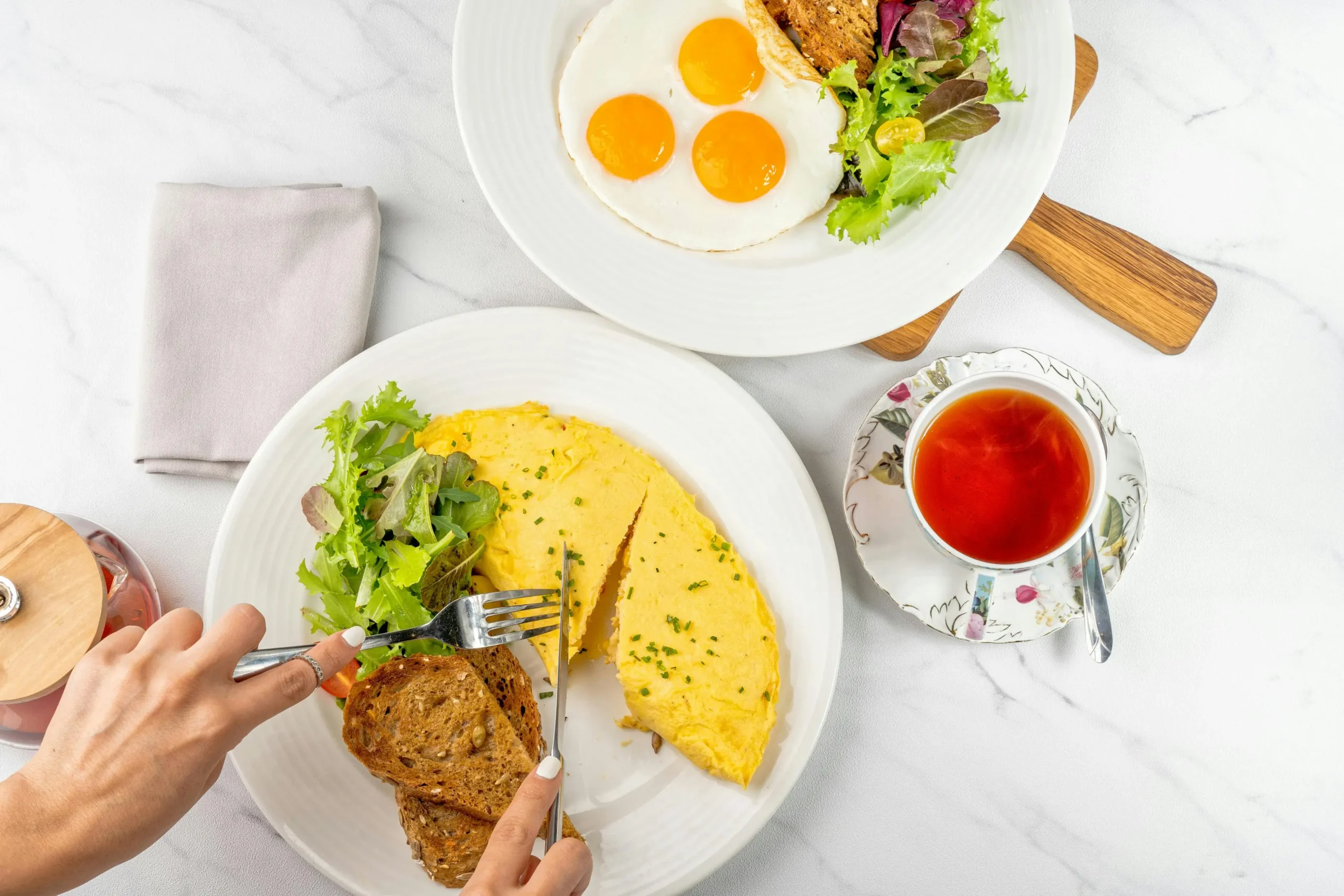
Soft Scrambled Eggs with Butter for Morning Meal
A warm and satisfying breakfast can set the tone for the entire day. Among many breakfast options, soft scrambled eggs with butter stand out for their rich texture, delicate flavor, and simple preparation. This dish is known for its creamy consistency and smooth taste, making it a favorite choice in many kitchens around the world.
Soft scrambled eggs are different from regular scrambled eggs because they are cooked slowly on low heat, allowing the eggs to remain tender and slightly creamy. The addition of butter enhances the flavor and gives the eggs a smooth, silky finish that feels light yet filling.
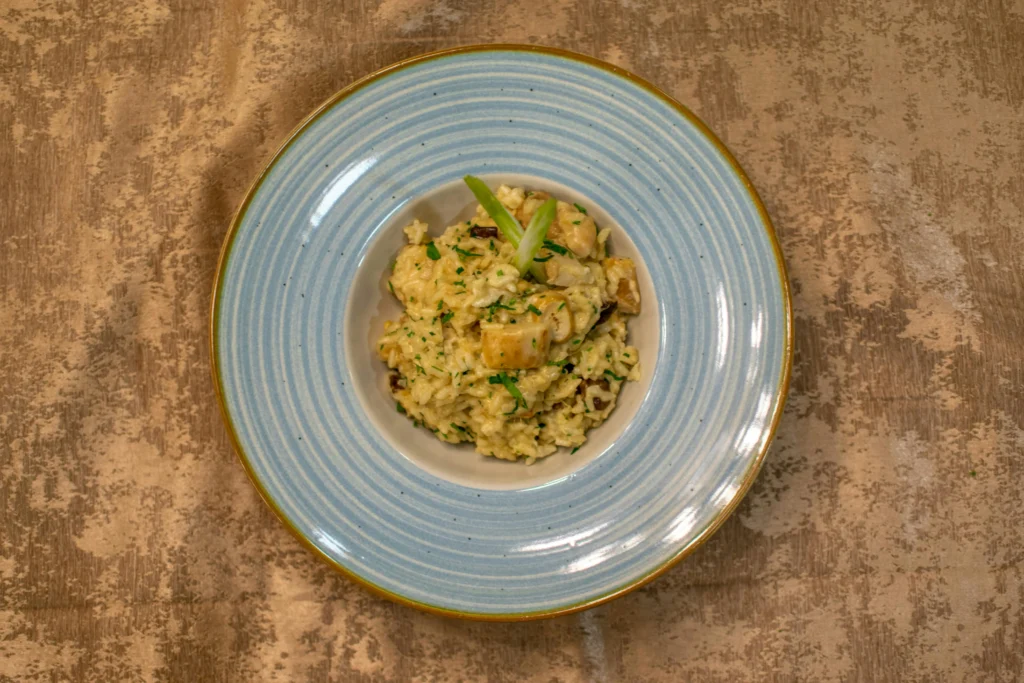
This recipe focuses on achieving the perfect balance between softness and flavor, using simple ingredients and careful cooking techniques.
Understanding Soft Scrambled Eggs
Soft scrambled eggs are prepared by gently cooking beaten eggs over low heat while continuously stirring. This slow cooking method prevents the eggs from becoming dry or rubbery.
Unlike firm scrambled eggs, soft scrambled eggs have a creamy texture and slightly glossy appearance. The butter melts into the eggs during cooking, creating a rich and smooth consistency.
The key to making soft scrambled eggs lies in patience. Cooking them too quickly on high heat can ruin their texture, while slow cooking helps maintain their softness.
Ingredients Required
Using fresh and simple ingredients is essential for achieving the best flavor and texture.
| Ingredient | Quantity |
|---|---|
| Eggs | 3–4 |
| Butter | 1–2 tablespoons |
| Salt | To taste |
| Black pepper | Optional |
| Milk or cream (optional) | 1 tablespoon |
Fresh eggs and good-quality butter make a noticeable difference in taste. Optional milk or cream can be added for extra creaminess, but it is not necessary.
Kitchen Tools Needed
Soft scrambled eggs require only basic kitchen tools.
| Tool | Purpose |
|---|---|
| Non-stick pan | Prevents eggs from sticking |
| Spatula (silicone or wooden) | Gentle stirring |
| Bowl | Beating eggs |
| Whisk or fork | Mixing eggs |
A non-stick pan is especially helpful in maintaining a smooth texture and preventing the eggs from overcooking.
Preparation Before Cooking
Start by cracking the eggs into a bowl. Beat them gently using a fork or whisk until the yolks and whites are fully combined. Avoid over-beating, as this can introduce too much air into the eggs.
If you prefer a slightly richer texture, you can add a small amount of milk or cream at this stage. Mix it well with the eggs.
Keep all ingredients ready before turning on the heat. Soft scrambled eggs cook quickly, so preparation is important.
Step-by-Step Cooking Method
Step 1: Melt the Butter
Place a non-stick pan on low heat and add butter. Allow it to melt slowly without letting it brown. The butter should remain light in color.
Step 2: Add the Eggs
Pour the beaten eggs into the pan. Do not rush the cooking process by increasing the heat. Keep the flame low for best results.
Step 3: Gentle Stirring
Using a spatula, start stirring the eggs slowly. Move the spatula across the bottom of the pan, creating soft folds. This helps the eggs cook evenly.
Step 4: Control the Heat
Keep stirring continuously while maintaining low heat. If the pan gets too hot, you can briefly remove it from the heat and continue stirring.
This technique helps prevent overcooking and keeps the eggs soft.
Step 5: Seasoning
Add salt and black pepper during the cooking process. Mix gently to distribute the seasoning evenly.
Step 6: Final Texture
Stop cooking when the eggs are still slightly soft and creamy. They will continue to cook slightly even after removing from heat.
Transfer the eggs immediately to a plate to avoid overcooking.
Nutritional Information
Soft scrambled eggs with butter provide a balanced combination of protein and fats, making them a good choice for breakfast.
| Nutrient | Approximate Value |
|---|---|
| Calories | 200–250 kcal |
| Protein | 12–14 g |
| Fat | 18 g |
| Carbohydrates | 1–2 g |
| Vitamin A | Present |
| Vitamin B12 | Good source |
These nutrients help support energy levels and keep you full for a longer period.
Tips for Perfect Soft Scrambled Eggs
One of the most important tips is to always cook on low heat. High heat can quickly turn soft eggs into dry and overcooked ones.
Stirring gently and continuously helps create small, soft curds instead of large, firm chunks.

Using butter instead of oil improves both taste and texture. Butter adds richness and enhances the overall flavor of the eggs.
Removing the eggs from heat at the right time is also important. Slightly undercooked eggs are ideal because they continue to cook with residual heat.
Serving Ideas
Soft scrambled eggs can be served in different ways depending on personal preference.
| Serving Option | Description |
|---|---|
| Toast bread | Classic and simple breakfast |
| Buttered toast | Adds extra richness |
| Avocado toast | Modern and healthy combination |
| Chapati or paratha | Traditional serving option |
Some people also like to add fresh herbs such as parsley or coriander on top for added flavor and presentation.
Variations You Can Try
Soft scrambled eggs can be customized in many ways to suit different tastes.
Adding cheese can create a creamy and rich variation. Herbs like chives or parsley can add freshness to the dish.
Some people prefer adding lightly sautéed vegetables such as mushrooms or spinach for additional flavor.
Another variation includes adding a small amount of cream or yogurt for a smoother texture.
Why This Dish is Popular for Morning Meals
Soft scrambled eggs with butter are popular because they are quick to prepare and provide a satisfying start to the day. The combination of protein and fats helps maintain energy levels throughout the morning.
The dish is also flexible and can be paired with different types of bread or side items. Its smooth texture and mild flavor make it appealing to a wide range of people.
Many people prefer this dish because it does not require complex ingredients or advanced cooking skills, yet it delivers a comforting and delicious result.
Cooking Mistakes to Avoid
Avoid cooking eggs on high heat, as this can lead to a dry texture. Rapid cooking does not allow the eggs to develop their soft consistency.
Do not stop stirring while cooking. Continuous gentle movement is necessary to maintain even cooking.
Using too little butter can affect the texture, while too much heat can cause the butter to burn.
Leaving eggs in the pan after cooking can also lead to overcooking, so it is important to transfer them immediately to a plate.
Storage and Reheating
Soft scrambled eggs are best enjoyed fresh, as their texture can change when stored. However, if needed, they can be kept in a refrigerator for a short time.
Reheating should be done gently on low heat to avoid drying out the eggs. Adding a small amount of butter while reheating can help restore some of the softness.
This simple yet flavorful dish continues to be a favorite breakfast option for those who enjoy a smooth, rich, and comforting meal in the morning.
Read Our Delicious Recipies: 10 Minute Easy Egg Dish at Home
Conclusion
Soft scrambled eggs with butter offer a simple yet rich and satisfying breakfast option that combines smooth texture with delicate flavor. The slow cooking method allows the eggs to remain soft and creamy, while butter adds depth and a light richness that enhances the overall taste.
This dish stands out because of its balance between simplicity and quality. With just a few ingredients and careful cooking, it is possible to prepare a meal that feels both comforting and fulfilling. The flexibility in serving options also makes it suitable for different preferences, whether paired with toast, bread, or traditional flatbreads.
When prepared with attention to heat and timing, soft scrambled eggs deliver a consistent and enjoyable result. Their gentle texture and warm flavor make them a reliable choice for a morning meal that is both easy to prepare and pleasant to eat.
Frequently Asked Questions (FAQs)
1. What makes soft scrambled eggs different from regular scrambled eggs?
Soft scrambled eggs are cooked slowly on low heat, which gives them a creamy and smooth texture. Regular scrambled eggs are often cooked on higher heat, making them firmer and slightly dry.
2. Why is butter used in soft scrambled eggs?
Butter adds a rich flavor and helps create a soft, silky texture. It also prevents the eggs from sticking to the pan and enhances the overall taste of the dish.
3. Can milk or cream be added to scrambled eggs?
Yes, a small amount of milk or cream can be added to make the eggs slightly more creamy. However, it is optional and not necessary for achieving soft scrambled eggs.
4. How do you keep scrambled eggs soft and not dry?
Cooking on low heat and stirring continuously helps keep the eggs soft. It is also important to remove the eggs from heat slightly before they are fully cooked, as they continue to cook afterward.
5. Which pan is best for making scrambled eggs?
A non-stick pan is the best choice because it prevents the eggs from sticking and allows gentle cooking, which is important for a soft texture.
6. Can soft scrambled eggs be reheated?
Yes, but they should be reheated on low heat. Adding a small amount of butter while reheating can help maintain their softness.
7. What can be served with soft scrambled eggs?
Soft scrambled eggs can be served with toast, buttered bread, chapati, or paratha. Some people also enjoy them with fresh herbs or light side dishes.
Note: For More Delicious & Tasty Egg Recipies Visit our Website: Recipies Sites