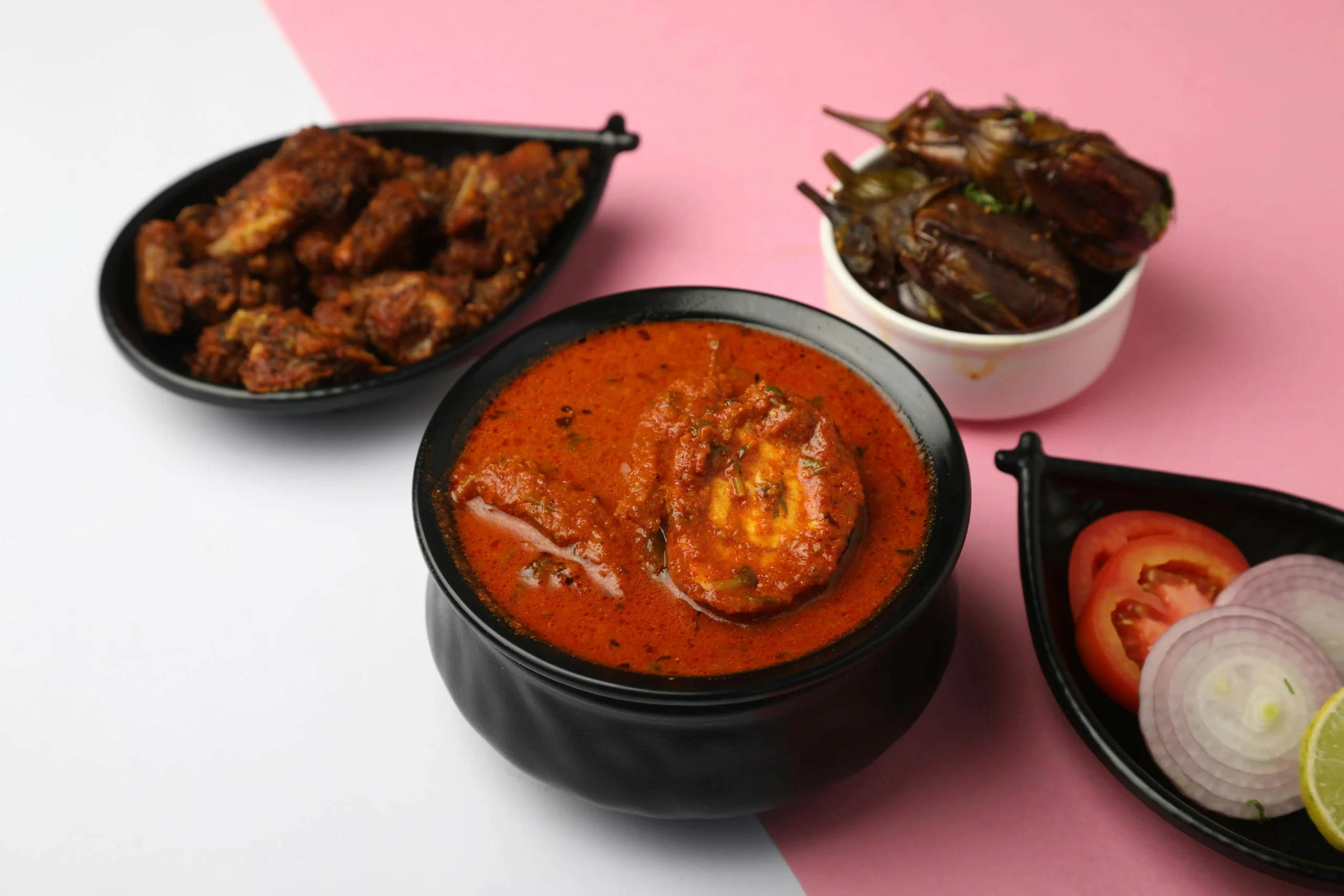
Traditional Egg Curry with Authentic Taste
Egg curry is one of the most loved dishes in many households, known for its rich flavor, comforting texture, and satisfying aroma. It combines boiled eggs with a spiced gravy made from onions, tomatoes, and traditional spices. This dish has been prepared for generations and remains a popular choice for both everyday meals and special occasions.
The beauty of traditional egg curry lies in its simplicity. With basic ingredients and proper cooking steps, it is possible to create a deeply flavorful dish that pairs perfectly with rice or bread. The authentic taste comes from slow cooking and the careful balance of spices that enhance the natural flavor of eggs.
Understanding Traditional Egg Curry
Traditional egg curry is a dish where boiled eggs are cooked in a thick and spiced gravy. The curry base is usually prepared using onions, tomatoes, garlic, and a blend of spices that give the dish its signature taste.
Different regions may have slight variations in preparation, but the core idea remains the same: creating a rich, well-cooked gravy that absorbs the flavor of spices and complements the eggs.
This dish is often enjoyed as a main course and is known for being both filling and comforting.
Ingredients Required
To prepare a flavorful and authentic egg curry, fresh ingredients and balanced spices are essential.
| Ingredient | Quantity |
|---|---|
| Boiled eggs | 4–6 |
| Onion (finely chopped) | 2 medium |
| Tomato (chopped or pureed) | 2 medium |
| Cooking oil | 3 tablespoons |
| Ginger garlic paste | 1 tablespoon |
| Green chilies | 1–2 |
| Red chili powder | 1 teaspoon |
| Turmeric powder | ½ teaspoon |
| Coriander powder | 1 teaspoon |
| Garam masala | ½ teaspoon |
| Salt | To taste |
| Water | As needed |
| Fresh coriander leaves | For garnish |
Using fresh onions and ripe tomatoes helps create a natural and rich gravy texture.
Essential Kitchen Tools
Simple kitchen tools are enough to prepare this dish effectively.
| Tool | Purpose |
|---|---|
| Cooking pot or pan | For preparing curry |
| Knife | Cutting vegetables |
| Cutting board | Preparing ingredients |
| Spoon or spatula | Stirring curry |
| Bowl | Holding boiled eggs |
Preparing the Eggs
Boiling the eggs properly is an important step before making the curry.
Place eggs in a pot and add enough water to cover them. Boil for about 8–10 minutes until fully cooked. Once done, remove the shells and make small cuts or light slits on the eggs. This helps them absorb the curry flavor better.
Some people lightly fry the boiled eggs in oil before adding them to the curry. This step gives a slightly firm texture and enhances the taste.
Step-by-Step Cooking Method
Step 1: Heating the Oil
Place a pan on medium heat and add cooking oil. Let it heat for a few seconds.
Step 2: Cooking the Onions
Add finely chopped onions and cook them until they turn golden brown. Stir occasionally to ensure even cooking. This step is important because it forms the base flavor of the curry.
Step 3: Adding Ginger Garlic and Chilies
Add ginger garlic paste and chopped green chilies. Cook for a minute until the raw smell disappears and a pleasant aroma develops.
Step 4: Adding Tomatoes
Add chopped or pureed tomatoes to the pan. Cook until the tomatoes soften and start blending with the onions. Continue cooking until the oil begins to separate from the mixture.
Step 5: Adding Spices
Add turmeric powder, red chili powder, coriander powder, and salt. Mix well and cook for a few minutes so the spices release their flavor.
Step 6: Preparing the Gravy
Add a small amount of water to create a smooth gravy. Let it simmer for a few minutes so all the ingredients combine well.
Step 7: Adding the Eggs
Gently place the boiled eggs into the curry. Coat them with the gravy and let them cook for a few minutes so they absorb the flavors.
Step 8: Final Touch
Sprinkle garam masala and mix gently. Garnish with fresh coriander leaves and turn off the heat.
Nutritional Information
Egg curry provides a good balance of protein and essential nutrients.
| Nutrient | Approximate Value (per serving) |
|---|---|
| Calories | 250–300 kcal |
| Protein | 14–18 g |
| Fat | 18 g |
| Carbohydrates | 6–8 g |
| Iron | Moderate |
| Vitamins | Good source |
Eggs are known for their protein content, while the spices and vegetables add additional nutrients.
Tips for Authentic Taste
Achieving an authentic taste requires attention to detail during cooking.
Slow cooking the onions until golden brown enhances the depth of flavor. Properly cooking the tomatoes ensures the gravy becomes rich and smooth.

Using the right balance of spices is important. Too much spice can overpower the dish, while too little can make it bland.
Allowing the curry to simmer after adding the eggs helps them absorb the flavor of the gravy. This step improves the overall taste of the dish.
Serving Suggestions
Traditional egg curry can be served with a variety of side dishes, depending on preference.
| Serving Option | Description |
|---|---|
| Steamed rice | Classic and simple combination |
| Chapati | Light and balanced meal |
| Paratha | Rich and filling option |
| Naan | Suitable for special meals |
Adding a small amount of fresh coriander on top enhances both the taste and presentation.
Variations of Egg Curry
Egg curry can be prepared in different ways depending on regional styles and personal preferences.
Some variations include adding coconut milk for a creamy texture or using different spice blends for a unique flavor. In some styles, potatoes are added to make the dish more filling.
Each variation offers a slightly different taste while keeping the basic cooking method similar.
Why Traditional Egg Curry is Popular
Egg curry continues to be a favorite dish because it combines simple ingredients with rich flavors. It is easy to prepare and can be enjoyed by people of all ages.
The dish is flexible, allowing adjustments in spice levels and ingredients. This makes it suitable for different taste preferences.
Its comforting nature and satisfying taste make it a regular part of many home-cooked meals.
Read Our Delicious Recipies: Soft Scrambled Eggs with Butter for Morning Meal
Conclusion
Traditional Egg Curry with authentic taste is a rich and satisfying dish that combines simple ingredients with well-balanced spices to create a flavorful meal. The slow cooking process, along with the use of fresh onions, tomatoes, and aromatic spices, helps develop a deep and comforting taste that pairs perfectly with rice or bread.
This dish stands out because of its versatility and the ability to adjust flavors according to personal preference. Whether prepared for a regular meal or a special occasion, egg curry offers a warm and fulfilling experience that brings a traditional touch to the dining table.
With proper cooking techniques and attention to detail, it is easy to achieve a delicious and authentic egg curry at home that reflects both simplicity and rich flavor in every bite.
Frequently Asked Questions (FAQs)
1. What makes traditional egg curry different from other egg dishes?
Traditional egg curry is different because it is prepared with a rich, spiced gravy made from onions, tomatoes, and traditional spices. Unlike simple egg dishes, it focuses more on deep flavor and slow cooking.
2. Can I fry the boiled eggs before adding them to the curry?
Yes, lightly frying boiled eggs before adding them to the curry can enhance their texture and flavor. It gives a slightly firm outer layer and helps the eggs absorb spices better.
3. How can I make the curry thicker?
To make the curry thicker, cook the onion and tomato mixture for a longer time until it becomes rich and well combined. You can also reduce the amount of water added during cooking.
4. Which oil is best for making egg curry?
You can use regular cooking oil, mustard oil, or even butter depending on your taste preference. Each option adds a slightly different flavor to the dish.
5. Can egg curry be made less spicy?
Yes, the spice level can be easily adjusted by reducing the amount of green chilies and red chili powder. This makes the dish suitable for people who prefer mild flavors.
6. How long can egg curry be stored?
Egg curry can be stored in the refrigerator for up to 1–2 days. It is recommended to reheat it properly before serving.
7. Can I add other ingredients to egg curry?
Yes, you can add ingredients like potatoes, peas, or capsicum to create different variations of egg curry. These additions can make the dish more filling and flavorful.
Note: For More Delicious & Tasty Egg Recipies Visit our Website: Recipies Sites