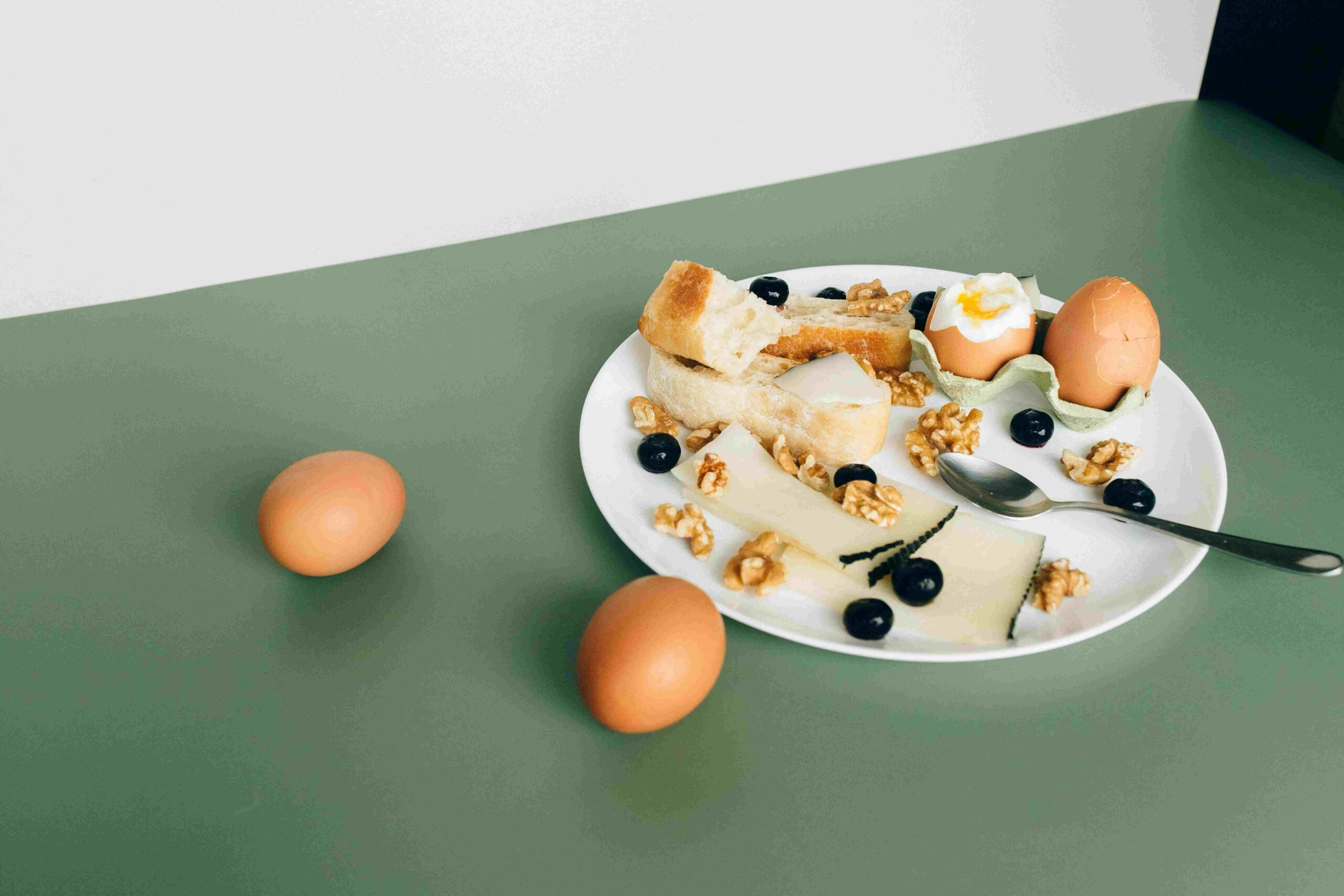
How to Make Perfect Morning Boiled Eggs at Home
Eggs are one of the most nutritious and versatile foods you can eat in the morning. Boiled eggs are a simple, quick, and healthy breakfast option that provides protein, vitamins, and essential nutrients. Cooking boiled eggs may seem simple, but getting the perfect texture – soft, medium, or hard – requires proper technique. In this article, we will guide you step by step on how to make perfect morning boiled eggs at home.
Benefits of Eating Boiled Eggs in the Morning
Boiled eggs are not only tasty but also extremely beneficial for health. Some of the main benefits include:
- Rich in Protein: Helps build and repair muscles.
- Low in Calories: Great for weight management.
- Vitamins and Minerals: Contains Vitamin B, Vitamin D, Selenium, and Iron.
- Heart Health: Eggs can support heart health when eaten in moderation.
- Quick and Convenient: Can be prepared in minutes for a healthy breakfast.

Eating boiled eggs in the morning provides long-lasting energy, improves concentration, and helps maintain a healthy diet.
Choosing the Right Eggs
The first step to perfect boiled eggs is selecting fresh eggs. Here are a few tips:
- Use eggs that are 3–7 days old for easier peeling.
- Check for cracks; avoid broken eggs.
- Prefer organic or free-range eggs for better flavor.
Tip: Fresh eggs are harder to peel, while slightly older eggs peel more easily after boiling.
Step-by-Step Guide to Boiling Eggs
Boiling eggs is simple, but precision makes a huge difference. Follow these steps:
Ingredients
- Fresh eggs – as needed
- Water – enough to cover the eggs
- Salt – optional
Method
- Place Eggs in a Pan: Arrange eggs in a single layer in a saucepan.
- Add Water: Pour enough cold water to cover eggs by about 1 inch.
- Add Salt (Optional): Helps prevent cracking and makes peeling easier.
- Heat Water: Turn on medium-high heat until water starts boiling.
- Boiling Time: Adjust time depending on the type of boiled egg you want:
| Egg Type | Boiling Time |
|---|---|
| Soft Boiled | 4–6 minutes |
| Medium Boiled | 7–9 minutes |
| Hard Boiled | 10–12 minutes |
- Cool Eggs Quickly: Transfer boiled eggs into a bowl of cold water or ice water to stop cooking.
- Peel the Eggs: Tap gently, roll on a flat surface, and peel under running water.
Tips for Perfect Boiled Eggs
- Start with Cold Water: Prevents cracking and ensures even cooking.
- Do Not Overcook: Overcooked eggs develop a greenish ring and rubbery texture.
- Use Timer: Precision is key for soft, medium, or hard-boiled eggs.
- Ice Bath: Helps peel eggs easily and keeps them fresh.
- Store Properly: Unpeeled boiled eggs can be stored in the fridge for up to a week.
Creative Ways to Use Boiled Eggs
Boiled eggs are versatile and can be used in many recipes beyond breakfast. Here are a few ideas:

- Egg Salad: Chop boiled eggs and mix with mayonnaise, herbs, and spices.
- Egg Sandwich: Layer sliced eggs with lettuce and tomato between bread slices.
- Spiced Curry Eggs: Add boiled eggs to your favorite curry recipe.
- Snack or Protein Boost: Eat boiled eggs with a pinch of salt or black pepper.
- Salads and Bowls: Slice boiled eggs over vegetable salads for added protein.
Nutritional Information of Boiled Eggs
| Nutrient | Amount (1 large egg) |
|---|---|
| Calories | 68 |
| Protein | 6 g |
| Total Fat | 5 g |
| Saturated Fat | 1.5 g |
| Cholesterol | 186 mg |
| Sodium | 62 mg |
| Vitamin A | 6% DV |
| Vitamin D | 10% DV |
| Iron | 5% DV |
Boiled eggs are nutrient-dense, low in calories, and ideal for breakfast or a quick protein snack.
Common Mistakes to Avoid
- Using Very Fresh Eggs Only: Makes peeling difficult.
- Overcooking Eggs: Leads to green yolk and sulfur smell.
- Skipping Ice Bath: Eggs continue cooking and may become rubbery.
- Cracking Eggs During Boiling: Avoid overcrowding eggs and start with cold water.
- Ignoring Timer: Cooking time directly affects yolk consistency.
Storing and Reheating Boiled Eggs
- Store unpeeled boiled eggs in the fridge for up to 7 days.
- Keep peeled eggs in an airtight container with a damp paper towel to prevent dryness.
- Reheating is generally not recommended, but you can briefly warm in hot water.
Read Our Delicious Recipies: Simple Egg Curry Recipe Step by Step
Final Thoughts
Preparing perfect morning boiled eggs at home is a simple cooking skill that can improve your daily breakfast routine. Boiled eggs are one of the easiest and healthiest food options you can include in your diet. With proper timing, fresh ingredients, and correct boiling methods, you can enjoy eggs with soft, medium, or hard yolk texture according to your preference.
Cooking boiled eggs does not require advanced kitchen knowledge. Just follow basic steps such as using enough water, maintaining proper heat, and cooling eggs quickly after boiling. These small details make a big difference in getting the perfect boiled egg result.
Morning boiled eggs provide protein, energy, and essential nutrients that help start the day in a better way. Whether you eat them alone, with bread, or use them in other recipes, boiled eggs are always a practical and useful food choice.
Keep practicing simple cooking methods and try different boiling times to find your preferred egg texture. Home cooking allows you to control quality, taste, and nutrition.
Thank you for reading this guide about making perfect morning boiled eggs at home. We hope this information helps you prepare better and healthier breakfast meals.
Frequently Asked Questions (FAQs)
1. How long should I boil eggs for a soft yolk?
For soft yolk eggs, boil them for 4–6 minutes. Make sure to start with cold water and immediately cool the eggs in ice water after boiling to stop the cooking process.
2. How can I make peeling boiled eggs easier?
Use eggs that are 3–7 days old, and after boiling, place them in ice-cold water for a few minutes. Gently tap and roll the eggs before peeling to remove the shell easily.
3. Can I store boiled eggs for later use?
Yes, unpeeled boiled eggs can be stored in the refrigerator for up to 7 days. Peeled eggs should be kept in an airtight container with a damp paper towel to maintain freshness.
4. Why do my boiled eggs sometimes have a green yolk?
A green ring around the yolk happens when eggs are overcooked or boiled at too high a temperature. Follow the recommended boiling times and immediately cool eggs in ice water to prevent this.
5. Are boiled eggs healthy for breakfast every day?
Absolutely. Boiled eggs are rich in protein, vitamins, and minerals, making them a healthy breakfast choice. Eating them in moderation supports energy, concentration, and overall nutrition.
Note: For More Delicious & Tasty Egg Recipies Visit our Website: Recipies Sites