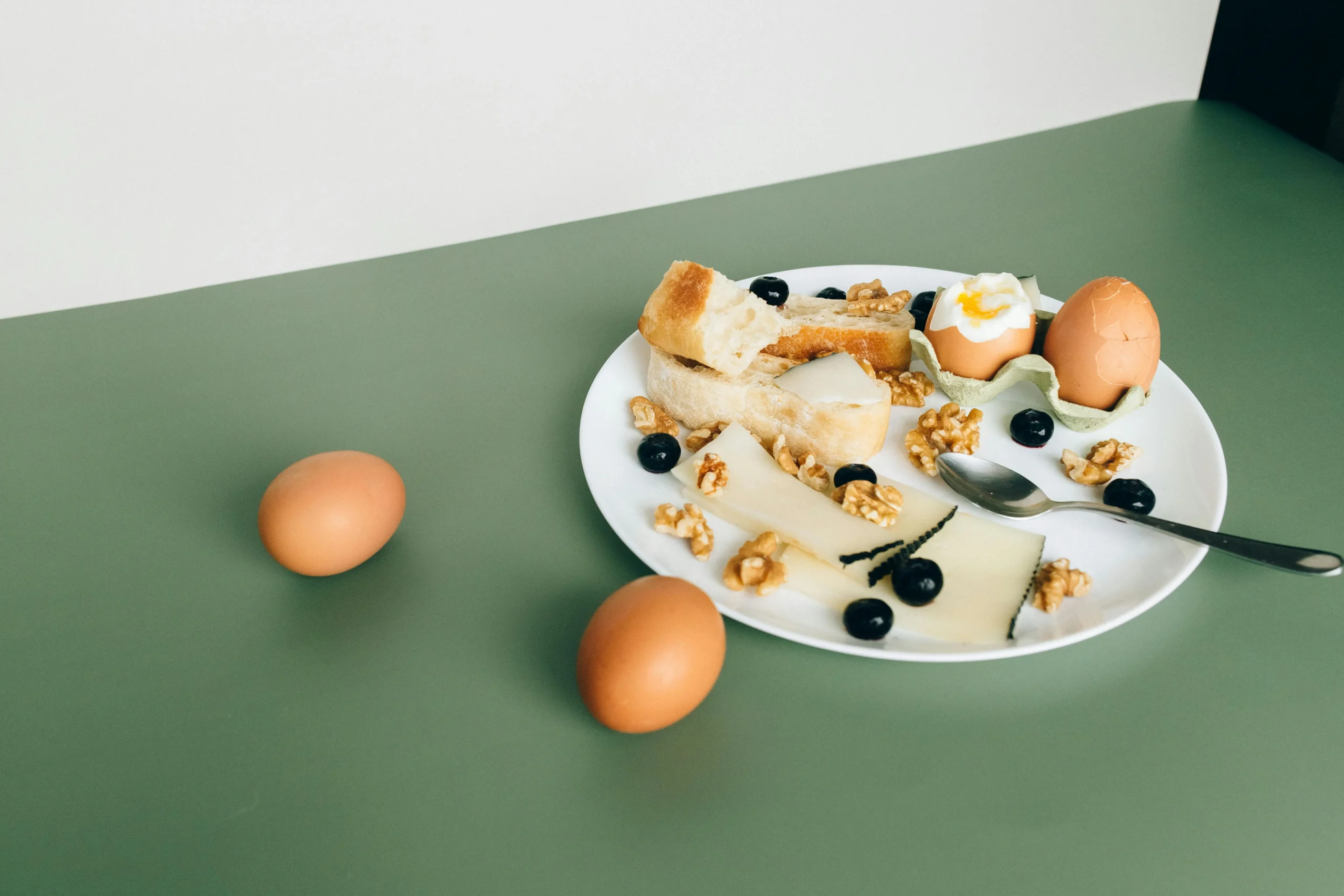
Classic Boiled Egg Breakfast with Simple Tips
A classic boiled egg breakfast is one of the easiest and most reliable ways to start the day. Eggs are widely known for their nutritional value and simple cooking process. With just water, heat, and a few minutes of preparation, you can create a wholesome meal that fits into any routine.
Boiled eggs are enjoyed in many parts of the world because they are convenient, filling, and versatile. They can be eaten on their own or paired with bread, vegetables, or light side dishes. This breakfast option is especially useful for people who prefer simple meals without complicated cooking steps.
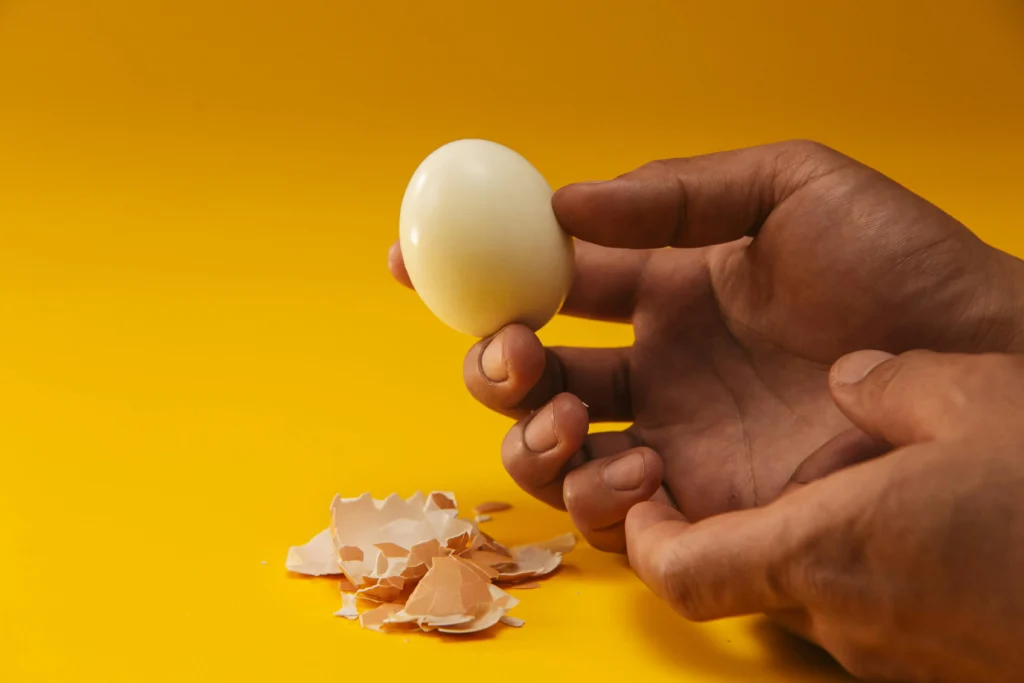
Understanding the right method of boiling eggs is important because small details such as cooking time and temperature can affect the texture and taste. This guide explains everything clearly, from choosing eggs to serving them properly.
Why Boiled Eggs Are a Popular Breakfast Choice
Boiled eggs are a common breakfast item because they require very little preparation. They do not need many ingredients, and the cooking process is straightforward. This makes them suitable for busy mornings when time is limited.
Another reason for their popularity is their nutritional value. Eggs contain protein, vitamins, and essential nutrients that help provide energy throughout the day. They are also easy to carry, which makes them a good option for people who prefer eating on the go.
In addition, boiled eggs can be prepared in advance and stored for later use. This adds convenience and flexibility to meal planning.
Ingredients Required
The ingredients for a classic boiled egg breakfast are minimal and easy to find.
| Ingredient | Quantity |
|---|---|
| Eggs | 2–4 |
| Water | Enough to cover eggs |
| Salt | Optional |
| Black pepper | Optional |
Fresh eggs are always recommended because they produce better taste and texture.
Types of Boiled Eggs
The texture of boiled eggs depends on the cooking time. Some people prefer a soft center, while others like the yolk fully cooked.
| Type of Egg | Cooking Time | Texture |
|---|---|---|
| Soft Boiled | 5–6 minutes | Soft yolk, slightly firm white |
| Medium Boiled | 7–9 minutes | Semi-soft yolk |
| Hard Boiled | 10–12 minutes | Fully cooked yolk and white |
Choosing the right cooking time depends on personal preference.
Step-by-Step Method to Boil Eggs
Step 1: Place Eggs in a Pan
Take a saucepan and place the eggs gently at the bottom. Make sure they are not overcrowded.
Step 2: Add Water
Pour enough water into the pan to fully cover the eggs. The water level should be about one inch above the eggs.
Step 3: Heat the Water
Place the pan on the stove and turn on medium heat. Allow the water to come to a gentle boil.
Step 4: Set the Cooking Time
Once the water starts boiling, reduce the heat slightly and set the timer according to your preferred egg type.
Step 5: Cool the Eggs
After the cooking time is complete, remove the eggs and place them in cold water. This stops the cooking process and makes peeling easier.
Simple Tips for Perfect Boiled Eggs
Cooking boiled eggs may seem easy, but a few small tips can improve the results.
One useful tip is to avoid placing eggs directly from the refrigerator into boiling water. Let them sit at room temperature for a few minutes to prevent cracking.
Another tip is to use a timer. Overcooking can make the yolk dry and create a greenish layer around it.
Cooling the eggs in cold water not only stops further cooking but also helps remove the shell easily.
Adding a pinch of salt to the water may reduce the chances of eggs cracking during boiling.
Common Mistakes to Avoid
Many people make small mistakes while boiling eggs that affect the final result.
Overcooking is one of the most common issues. It can lead to a rubbery texture and reduce the quality of the egg.
Using very high heat can cause eggs to crack due to sudden temperature changes. A moderate heat level works best.
Skipping the cooling step can make peeling difficult and may also continue the cooking process.
Nutritional Information of Boiled Eggs
Boiled eggs are considered a healthy breakfast choice due to their balanced nutrients.
| Nutrient | Approximate Value (1 Egg) |
|---|---|
| Calories | 70–80 kcal |
| Protein | 6 grams |
| Fat | 5 grams |
| Vitamin D | Present |
| Vitamin B12 | Present |
| Iron | Moderate amount |
These nutrients help support energy, muscle strength, and overall health.
Serving Ideas for Boiled Egg Breakfast
Boiled eggs can be served in different ways depending on personal taste.
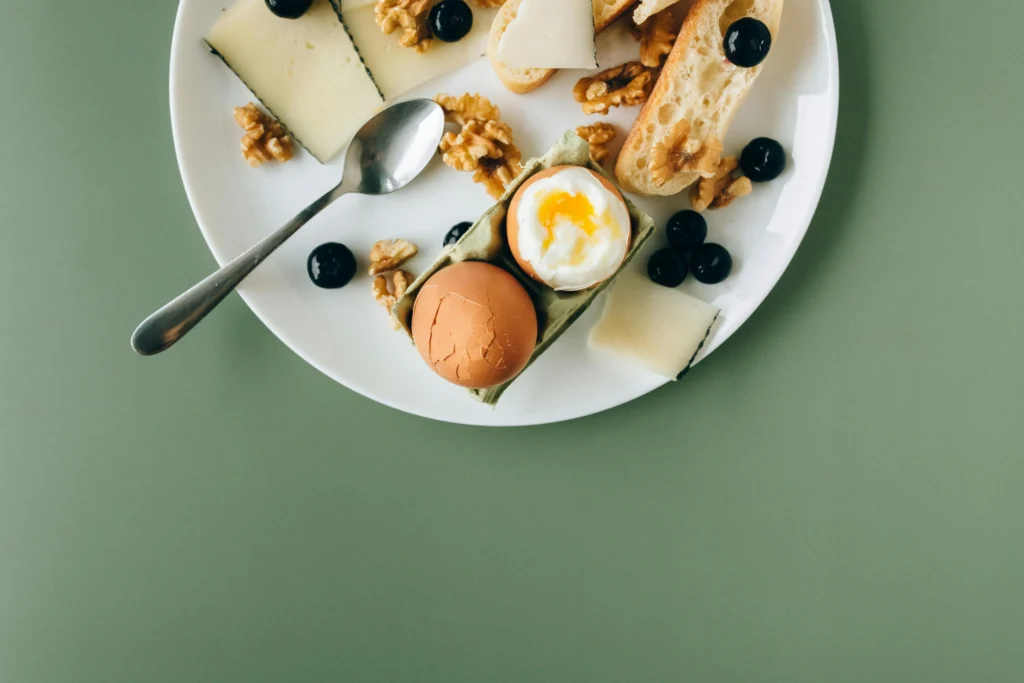
They can be sliced and served with toast and butter for a simple breakfast. Some people prefer adding a pinch of salt and black pepper for extra flavor.
Boiled eggs can also be combined with fresh vegetables like cucumbers, tomatoes, or lettuce to create a light and refreshing meal.
Another common way is to serve them with chapati or paratha, making the meal more filling.
Storage and Reuse Tips
Boiled eggs can be stored in the refrigerator for later use. Keeping them in their shell helps maintain freshness.
They can usually be stored for up to a few days when properly refrigerated. Before eating, they can be reheated slightly or used directly in salads and other dishes.
Avoid leaving boiled eggs at room temperature for long periods, especially in warm conditions.
Easy Variations of Boiled Egg Breakfast
Although boiled eggs are simple, they can be adjusted in different ways to add variety.
Some people sprinkle herbs or spices on top to enhance flavor. Others mash boiled eggs and mix them with light seasoning to create a spread for bread.
Boiled eggs can also be sliced and added to sandwiches or wraps, making them a flexible meal option.
Adding a small amount of sauce or seasoning can change the taste without making the dish complicated.
Daily Use and Practical Benefits
Including boiled eggs in breakfast can help maintain a consistent and balanced routine. They are easy to prepare, require minimal effort, and provide reliable nutrition.
This makes them suitable for students, working individuals, and families who want a simple meal without spending too much time in the kitchen.
Because of their simplicity and usefulness, boiled eggs remain a timeless breakfast choice in many homes.
Read Our Delicious Recipies: Super Fast Egg Recipe for Busy Morning Routine
Conclusion
A classic boiled egg breakfast remains one of the most simple and dependable meal choices for daily life. With minimal ingredients and an easy cooking process, it provides a practical solution for anyone looking for a quick and satisfying start to the day. The ability to control texture, from soft to fully cooked, makes it suitable for different taste preferences.
Boiled eggs also offer flexibility in serving, as they can be paired with a variety of foods such as bread, vegetables, or traditional meals. Their nutritional value adds to their importance, making them a reliable option for maintaining energy and balance throughout the day.
By following proper cooking steps and simple tips, it becomes easy to prepare perfectly boiled eggs every time. This makes them a consistent and convenient breakfast choice that fits well into any routine.
Frequently Asked Questions (FAQs)
1. How long should eggs be boiled for breakfast?
The boiling time depends on the desired texture. Soft boiled eggs take about 5–6 minutes, medium boiled around 7–9 minutes, and hard boiled eggs require 10–12 minutes.
2. Why do eggs sometimes crack while boiling?
Eggs can crack due to sudden temperature changes or high heat. Placing eggs gently in water and using medium heat helps reduce this problem.
3. How can boiled eggs be peeled easily?
After boiling, placing eggs in cold water for a few minutes helps loosen the shell, making them easier to peel.
4. Can boiled eggs be prepared in advance?
Yes, boiled eggs can be prepared earlier and stored in the refrigerator. Keeping them in their shell helps maintain freshness for a longer time.
5. Is it better to use fresh eggs for boiling?
Fresh eggs are good for taste, but slightly older eggs are often easier to peel after boiling.
6. Can salt be added while boiling eggs?
Yes, adding a small amount of salt to the water may help prevent cracking and can slightly improve the taste.
7. How should boiled eggs be stored?
Boiled eggs should be stored in the refrigerator, preferably in their shell, and consumed within a few days for the best quality.
Note: For More Delicious & Tasty Egg Recipies Visit our Website: Recipies Sites