Quick Scrambled Eggs Recipe for Busy Mornings
Breakfast is often called the most important meal of the day, yet many people skip it because mornings can be busy and rushed. When there is limited time before work, school, or daily activities, preparing a full meal may seem difficult. However, there are simple breakfast options that are quick, nutritious, and satisfying. One of the most popular and convenient choices is scrambled eggs.
Scrambled eggs are easy to prepare, require only a few ingredients, and can be cooked in just a few minutes. They are soft, flavorful, and highly nutritious, making them a great choice for starting the day with energy. Whether you are a student, a working professional, or someone managing a busy household, a quick scrambled eggs recipe can save time while still providing a healthy meal.
This guide explains everything about preparing delicious scrambled eggs for busy mornings, including ingredients, preparation methods, cooking tips, and variations that can make your breakfast more enjoyable.
Why Scrambled Eggs Are Perfect for Busy Mornings
Scrambled eggs are one of the fastest meals that can be prepared in a kitchen. Unlike complex recipes that require many steps and ingredients, scrambled eggs can be cooked in a single pan with minimal preparation.
There are several reasons why scrambled eggs are a popular breakfast option around the world:
- They cook very quickly.
- The ingredients are simple and affordable.
- Eggs provide high-quality protein.
- The recipe can be adjusted with vegetables or spices.
- The meal is filling and nutritious.
For people who have limited time in the morning, scrambled eggs provide the right balance of convenience and nutrition.
Nutritional Benefits of Scrambled Eggs
Eggs are well known for their nutritional value. They contain important nutrients that support overall health and energy levels. Eating eggs in the morning can help the body stay active and focused throughout the day.
Below is a general overview of the nutritional value found in eggs.
| Nutrient | Benefit for the Body |
|---|---|
| Protein | Helps build muscles and keeps you full for longer |
| Vitamin B12 | Supports brain function and energy production |
| Vitamin D | Important for bone health |
| Healthy Fats | Provides energy and supports cell health |
| Choline | Supports brain and nervous system function |
These nutrients make scrambled eggs not only a quick meal but also a valuable source of nutrition for the body.
Ingredients Needed for Quick Scrambled Eggs
One of the best things about scrambled eggs is that they require very basic ingredients that are usually available in most kitchens.
| Ingredient | Quantity |
|---|---|
| Eggs | 2 to 3 |
| Butter or Cooking Oil | 1 tablespoon |
| Salt | According to taste |
| Black Pepper | A pinch |
| Milk (optional) | 1 tablespoon |
Optional ingredients such as chopped vegetables, herbs, or cheese can also be added to enhance flavor and texture.
Basic Preparation Before Cooking
Before starting the cooking process, it is helpful to prepare the ingredients properly. Good preparation helps make the cooking process faster and smoother.
First, crack the eggs into a bowl. Use a fork or whisk to beat the eggs until the yolk and egg whites are fully mixed. Adding a small amount of milk can make the scrambled eggs softer and creamier.
Season the mixture with a little salt and black pepper. Mix everything gently so that the seasoning spreads evenly throughout the eggs.
Preparing the eggs in advance ensures that the cooking process takes only a few minutes.
Step-by-Step Cooking Method
Cooking scrambled eggs is simple, but the right method helps achieve a soft and fluffy texture.
Step 1: Heat the Pan
Place a non-stick frying pan on medium heat. Add butter or cooking oil and allow it to melt gently. Make sure the pan is warm but not extremely hot.
Step 2: Add the Eggs
Pour the beaten egg mixture into the pan. Allow it to sit for a few seconds until the edges start to cook.
Step 3: Stir the Eggs Slowly
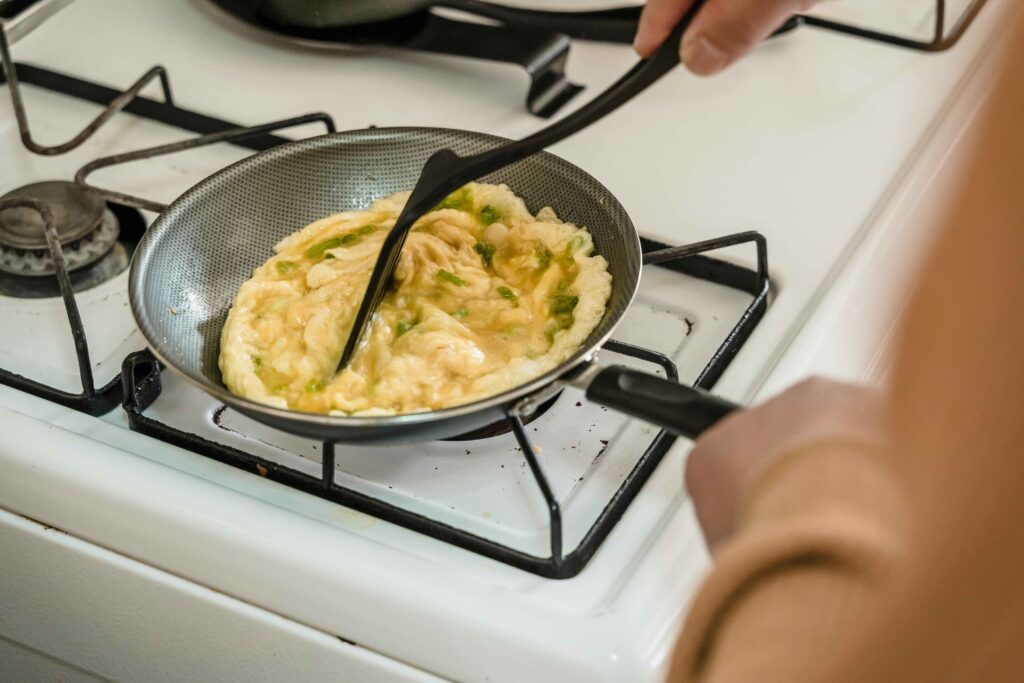
Use a spatula or spoon to gently stir the eggs from the edges toward the center. Continue stirring slowly while the eggs cook.
Step 4: Cook Until Soft
Keep stirring until the eggs form soft curds. Scrambled eggs should remain slightly moist rather than dry.
Step 5: Serve Immediately
Remove the pan from heat once the eggs are fully cooked but still soft. Serve them immediately for the best taste and texture.
Tips for Perfect Scrambled Eggs
Although scrambled eggs are simple to cook, a few helpful tips can improve the final result.
- Use fresh eggs for better taste and texture.
- Cook eggs on medium or low heat to avoid overcooking.
- Stir gently rather than quickly to create soft curds.
- Remove the eggs from heat slightly early because they continue cooking from residual heat.
- Avoid cooking eggs for too long, as this can make them dry.
Following these tips can help create scrambled eggs that are soft, flavorful, and enjoyable every time.
Popular Scrambled Egg Variations
Scrambled eggs can easily be modified by adding different ingredients. These variations can add new flavors and make breakfast more interesting.
Vegetable Scrambled Eggs
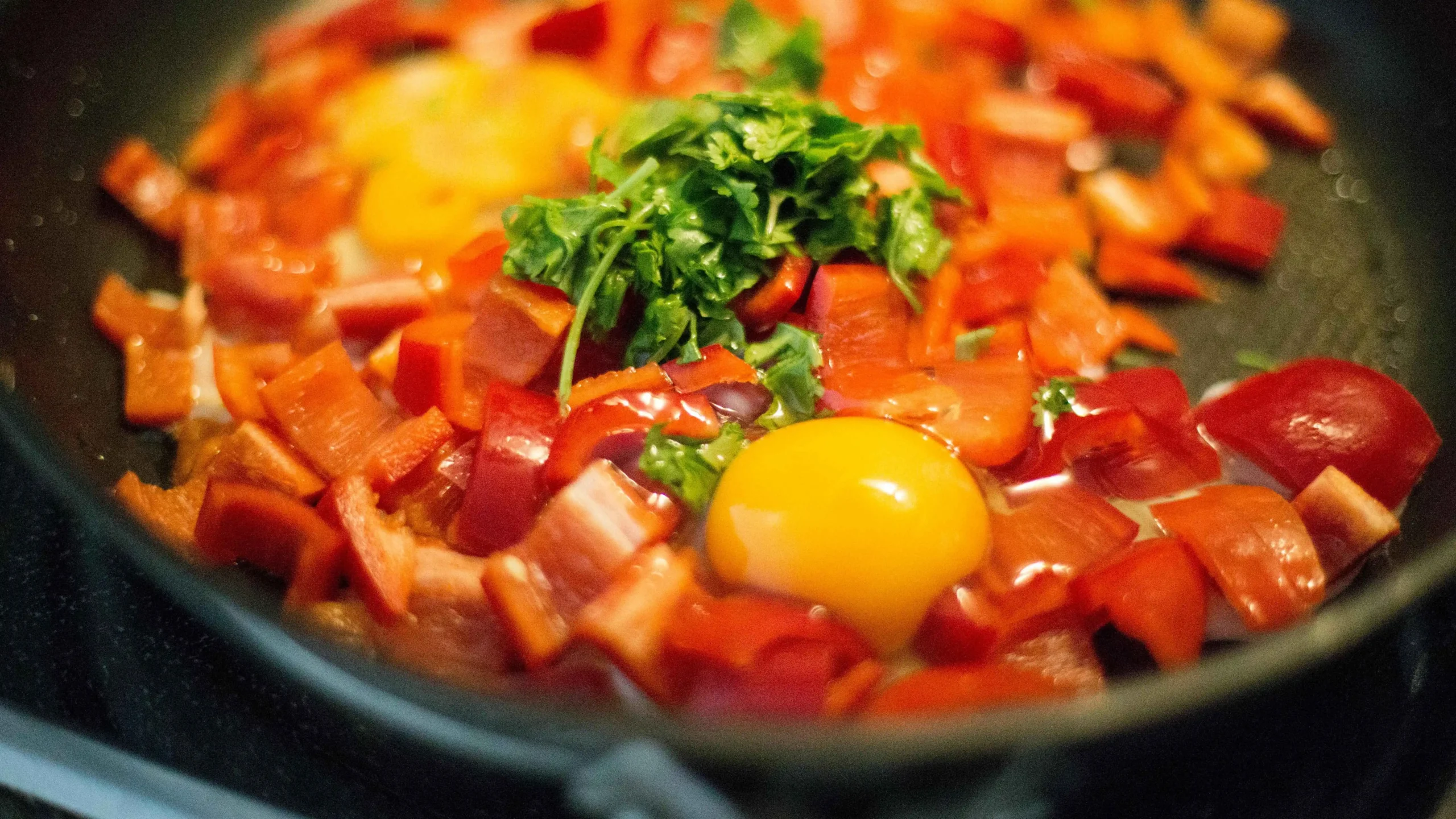
Adding vegetables such as tomatoes, onions, spinach, or bell peppers can enhance both flavor and nutrition.
Cheese Scrambled Eggs
Grated cheese melts into the eggs while cooking, creating a creamy and rich taste.
Spicy Scrambled Eggs
For people who enjoy spicy food, adding chili flakes, green chilies, or hot sauce can create a stronger flavor.
Herb Scrambled Eggs
Fresh herbs such as parsley, coriander, or chives can add freshness and aroma to the dish.
These variations allow scrambled eggs to be customized according to personal taste.
Serving Ideas for Scrambled Eggs
Scrambled eggs can be served in many different ways depending on personal preference. Some popular serving options include:
- Scrambled eggs with toasted bread
- Eggs served with buttered toast and tea
- Scrambled eggs with grilled vegetables
- Eggs wrapped inside a sandwich
- Scrambled eggs served with flatbread
These combinations create a satisfying breakfast that is both filling and enjoyable.
Time Required for Preparing Scrambled Eggs
One of the main advantages of scrambled eggs is the short cooking time. The entire process can be completed very quickly.
| Task | Time Required |
|---|---|
| Ingredient preparation | 2 minutes |
| Cooking time | 3 to 4 minutes |
| Total time | 5 to 6 minutes |
This quick preparation time makes scrambled eggs one of the most practical breakfast meals.
Common Mistakes to Avoid
Even a simple recipe like scrambled eggs can sometimes go wrong if certain mistakes are made. Avoiding these mistakes can improve the quality of the dish.
- Cooking eggs on very high heat
- Overcooking until the eggs become dry
- Adding too much salt at the beginning
- Stirring too aggressively
Paying attention to these small details can help produce better scrambled eggs.
Why Scrambled Eggs Are a Reliable Breakfast Choice
Scrambled eggs remain one of the most trusted breakfast options for people around the world. Their simplicity, quick preparation, and nutritional benefits make them suitable for daily meals.
They are especially useful for busy mornings when there is little time to cook complicated dishes. With only a few ingredients and a short cooking process, scrambled eggs can provide a warm, satisfying meal that helps start the day with energy and comfort.
Read Our Delicious Recipies: Instant Egg Cooking Recipe for Busy People
Conclusion
Quick scrambled eggs are one of the most practical and satisfying breakfast options for busy mornings. With only a few simple ingredients and a short cooking time, this dish can be prepared easily while still providing a nutritious and filling meal. Eggs offer valuable nutrients such as protein, vitamins, and healthy fats, which help support energy and focus throughout the day.
Another advantage of scrambled eggs is their flexibility. The recipe can be adjusted by adding vegetables, herbs, spices, or cheese to create different flavors according to personal taste. This makes scrambled eggs suitable for everyday meals without becoming repetitive.
For anyone looking for a fast and reliable breakfast idea, scrambled eggs remain a smart choice. The simple cooking process, combined with the nutritional value of eggs, makes this dish a convenient solution for starting the day with a warm and satisfying meal.
Frequently Asked Questions (FAQs)
1. How long does it take to cook scrambled eggs?
Scrambled eggs usually take about 3 to 5 minutes to cook. The entire preparation process, including beating the eggs and heating the pan, can be completed in around 5 to 6 minutes, which makes it a very quick breakfast option.
2. How many eggs should be used for one serving?
For one person, 2 to 3 eggs are usually enough for a satisfying serving. However, the quantity can be adjusted depending on appetite and dietary needs.
3. Can milk be added to scrambled eggs?
Yes, many people add a small amount of milk or cream to scrambled eggs. This can make the eggs softer and slightly creamier in texture, although it is optional and the eggs can still taste great without it.
4. What is the best pan for cooking scrambled eggs?
A non-stick frying pan is usually the best choice for cooking scrambled eggs. It prevents the eggs from sticking to the surface and makes the cooking process easier.
5. Why do scrambled eggs sometimes become dry?
Scrambled eggs become dry when they are overcooked or cooked on very high heat. Cooking the eggs slowly on medium or low heat helps keep them soft and moist.
6. Can vegetables be added to scrambled eggs?
Yes, vegetables such as onions, tomatoes, spinach, mushrooms, or bell peppers can be added to scrambled eggs. These ingredients can enhance both the flavor and nutritional value of the dish.
7. Are scrambled eggs a healthy breakfast option?
Scrambled eggs can be a healthy breakfast choice because eggs contain protein, vitamins, and essential nutrients. When prepared with moderate oil or butter, they provide a balanced and energizing meal.
8. Can scrambled eggs be prepared in advance?
Scrambled eggs are best when eaten fresh and hot. However, they can be stored in the refrigerator for a short time and reheated gently if needed.
9. What foods go well with scrambled eggs?
Scrambled eggs are often served with toast, bread, sandwiches, vegetables, or flatbread. They can also be paired with tea or coffee as part of a complete breakfast.
10. How can scrambled eggs be made more flavorful?
Flavor can be improved by adding black pepper, herbs, cheese, or mild spices. These ingredients can give the eggs a richer taste without making the recipe complicated.
Note: For More Delicious & Tasty Egg Recipies Visit our Website: Recipies Sites
Also Read Ahmad Jan Secret Recipie: Ahmad Jan’s Secret Egg Recipe