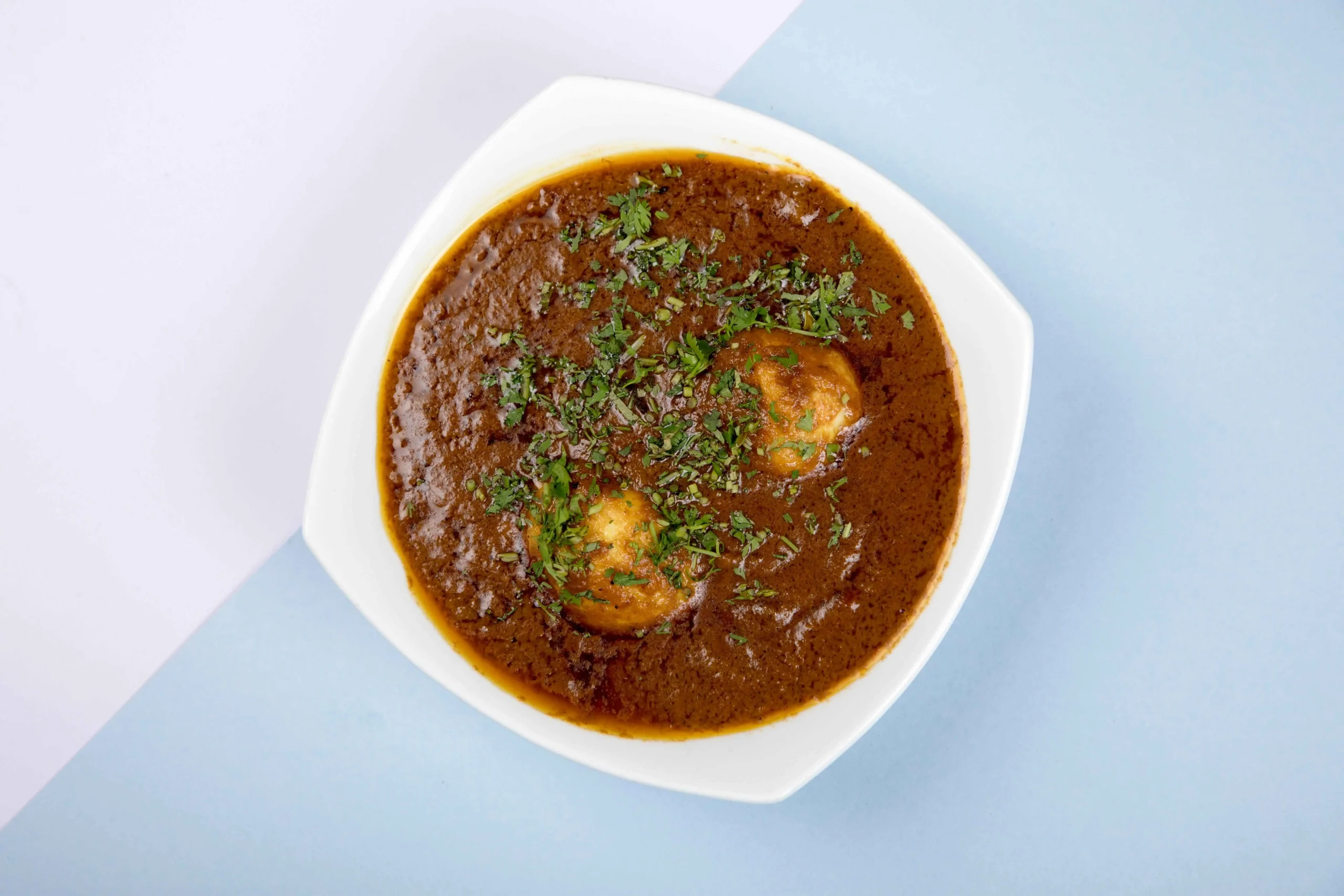
Traditional Egg Masala Curry Recipe
Traditional egg masala curry is one of the most loved egg dishes in many households. It is known for its rich flavor, aromatic spices, and comforting taste. This dish is prepared by cooking boiled eggs in a flavorful masala gravy made with onions, tomatoes, and traditional spices. The result is a delicious curry that pairs perfectly with rice, roti, or naan.
Egg curry recipes have been part of home cooking for many years. In many regions, egg masala curry is considered a simple yet satisfying meal because it requires basic ingredients that are easily available in most kitchens. The spices used in this recipe give the dish its authentic taste and warm aroma.
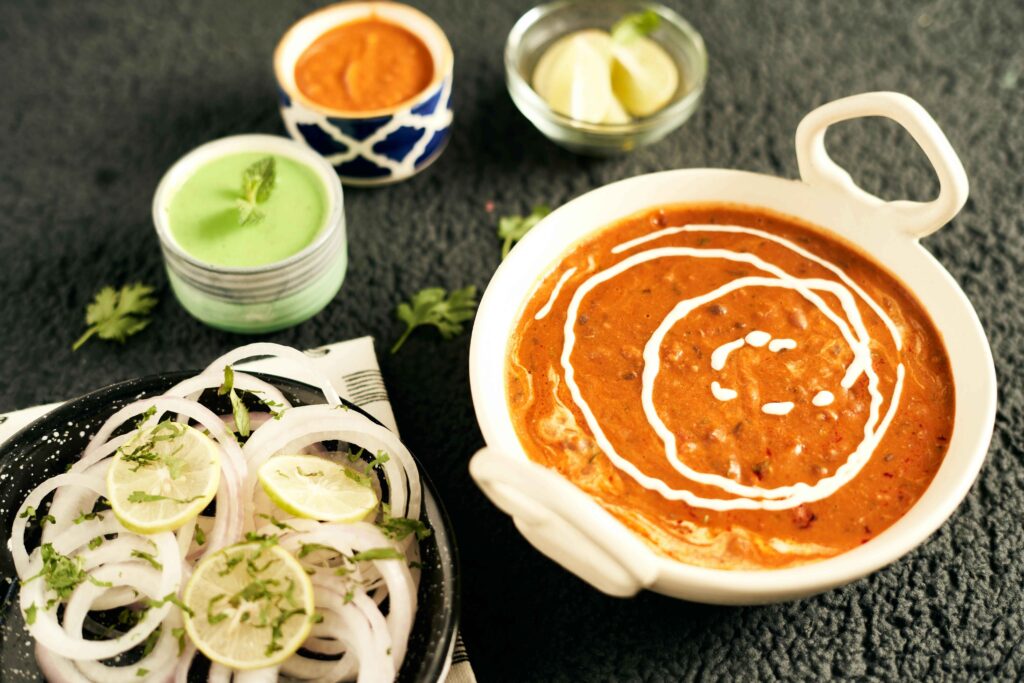
Traditional egg masala curry is often prepared for lunch or dinner. It can also be served to guests because of its rich flavor and appealing presentation. The combination of soft boiled eggs and thick masala gravy creates a comforting dish that many people enjoy.
What Makes Traditional Egg Masala Curry Special
One of the main reasons this dish is popular is its balance of spices and texture. The eggs absorb the flavors of the masala, making every bite flavorful. The curry base usually includes onions, tomatoes, garlic, ginger, and traditional spices like turmeric, red chili powder, and garam masala.
Another important feature of this recipe is its flexibility. The spice level can be adjusted according to taste preferences. Some people prefer mild curry, while others enjoy a stronger spicy flavor.
Egg masala curry is also appreciated because it provides a good source of protein while remaining simple to cook. The ingredients are easy to find and the preparation process does not require complex cooking techniques.
Ingredients Used in Traditional Egg Masala Curry
The ingredients used in egg masala curry are simple yet flavorful. Each ingredient contributes to the depth and richness of the dish.
| Ingredient | Quantity | Purpose |
|---|---|---|
| Eggs | 4–6 boiled eggs | Main ingredient |
| Onion | 2 medium (finely chopped) | Creates rich curry base |
| Tomatoes | 2 medium (chopped) | Adds tangy flavor |
| Ginger Garlic Paste | 1 tablespoon | Enhances aroma |
| Cooking Oil | 3 tablespoons | Used for frying |
| Turmeric Powder | ½ teaspoon | Adds color and flavor |
| Red Chili Powder | 1 teaspoon | Provides spice |
| Coriander Powder | 1 teaspoon | Adds earthy flavor |
| Garam Masala | ½ teaspoon | Traditional spice blend |
| Salt | According to taste | Enhances flavor |
| Fresh Coriander Leaves | For garnish | Adds freshness |
These ingredients come together to create a thick and flavorful masala gravy that coats the eggs beautifully.
Nutritional Value of Eggs
Eggs are considered a highly nutritious food. They contain high-quality protein and essential nutrients that support overall health.
| Nutrient | Benefit |
|---|---|
| Protein | Helps build and repair body tissues |
| Vitamin B12 | Supports brain and nerve function |
| Vitamin D | Helps maintain strong bones |
| Iron | Supports healthy blood circulation |
| Healthy fats | Provides energy for the body |
Including eggs in meals can contribute to a balanced diet. When combined with spices and vegetables, egg curry becomes both nutritious and satisfying.
Preparation Before Cooking
Before starting the cooking process, it is helpful to prepare the ingredients properly. This step makes the cooking process smoother and more organized.
First, boil the eggs until they are fully cooked. After boiling, allow them to cool slightly and then remove the shells. Some people lightly fry the boiled eggs in oil for a few minutes to enhance their flavor and texture.
Next, chop the onions and tomatoes into small pieces. Prepare the ginger garlic paste if it is not already available. Measuring the spices beforehand can also make the cooking process more convenient.
Proper preparation helps maintain the rhythm of cooking and prevents ingredients from overcooking.
Step-by-Step Cooking Method
Cooking traditional egg masala curry involves a few simple steps that build layers of flavor.
Begin by heating oil in a deep pan or cooking pot over medium heat. Once the oil becomes warm, add the chopped onions. Cook the onions until they turn soft and slightly golden in color. This step helps create the base of the curry.
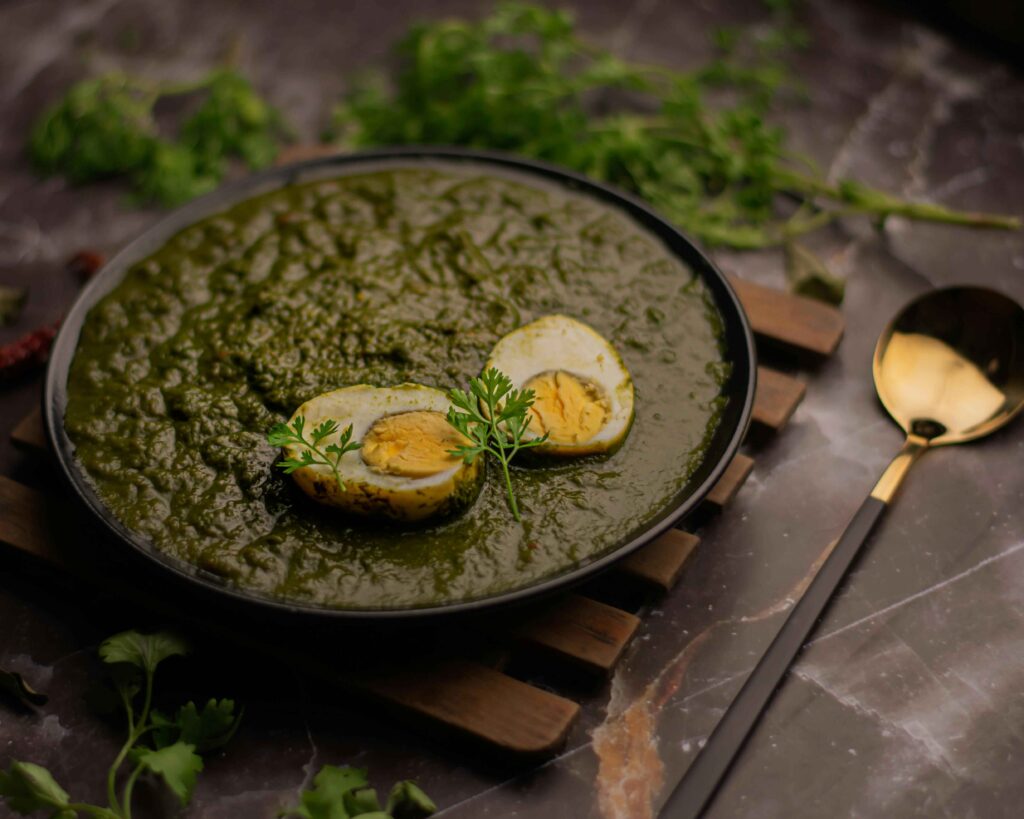
After the onions are ready, add the ginger garlic paste and cook it for a short time until the aroma becomes noticeable. This ingredient adds depth to the curry.
Next, add chopped tomatoes to the pan. Stir the mixture well and allow the tomatoes to cook until they soften and blend with the onions. As the tomatoes break down, they create a rich and thick gravy base.
Once the tomato mixture is cooked, add the turmeric powder, red chili powder, coriander powder, and salt. Mix the spices well with the masala. Cooking the spices with the onion-tomato mixture allows their flavors to develop fully.
Now add a small amount of water to adjust the thickness of the gravy. Stir the mixture gently and allow it to simmer for a few minutes.
After the gravy is ready, carefully add the boiled eggs to the curry. Some people prefer making small cuts on the eggs so the flavors can absorb better. Allow the eggs to cook in the masala gravy for several minutes.
Finally, sprinkle garam masala over the curry and mix lightly. Garnish with fresh coriander leaves to add color and aroma.
The egg masala curry is now ready to serve.
Flavor Profile of Egg Masala Curry
Traditional egg masala curry has a balanced flavor that combines mild sweetness from onions, tanginess from tomatoes, and warmth from spices. The garam masala adds a distinctive aroma that enhances the overall taste of the dish.
The texture of the gravy is smooth and slightly thick, allowing it to coat the eggs perfectly. This rich masala sauce is what makes the dish satisfying and flavorful.
When served hot with freshly cooked rice or soft bread, the combination becomes even more enjoyable.
Best Ways to Serve Egg Masala Curry
Egg masala curry can be served with different types of staple foods. The rich gravy pairs well with many side dishes.
| Serving Option | Description |
|---|---|
| Steamed Rice | A classic combination that absorbs the flavorful gravy |
| Roti | Soft flatbread that complements the curry texture |
| Naan | Popular bread often served with rich curries |
| Jeera Rice | Adds mild cumin flavor to the meal |
| Paratha | Layered bread that pairs well with thick curry |
Each serving option offers a slightly different dining experience while maintaining the delicious flavor of the egg curry.
Cooking Tips for Better Taste
Small cooking techniques can enhance the final result of egg masala curry. One helpful tip is to cook onions slowly until they develop a light golden color. This improves the depth of flavor in the curry.
Another useful tip is to cook the tomato mixture thoroughly before adding spices. When tomatoes soften completely, the gravy becomes smoother and richer.
Adding a small amount of garam masala near the end of cooking helps maintain its aroma. Overcooking garam masala may reduce its fragrance.
Fresh coriander leaves added before serving also improve the overall appearance and taste of the dish.
Variations of Egg Masala Curry
Although traditional egg masala curry follows a classic method, some variations can create slightly different flavors.
In some kitchens, yogurt is added to the gravy to create a creamy texture. Others include green chilies for extra spice. Coconut milk is sometimes used in certain regional styles to give the curry a richer taste.
Some people also add potatoes or peas to make the dish more filling. These variations show how egg curry can be adapted to different cooking preferences while maintaining its traditional character.
Storage and Reheating
Egg masala curry can be stored in a refrigerator if there are leftovers. When stored in an airtight container, it can remain fresh for up to two days.
To reheat the curry, place it in a pan over low heat and add a small amount of water if the gravy becomes too thick. Stir gently until the curry becomes warm again.
Reheating slowly helps maintain the flavor and texture of the dish.
Read Our Delicious Recipies: Egg Toast Breakfast Recipe in 5 Minutes
Conclusion
Traditional Egg Masala Curry is a flavorful and comforting dish that brings together simple ingredients and aromatic spices to create a rich and satisfying meal. The combination of boiled eggs and well-cooked masala gravy gives this recipe its unique taste and texture. Because the ingredients are commonly available and the cooking process is straightforward, this dish has become a popular choice in many homes.
The balanced blend of onions, tomatoes, and traditional spices creates a curry that pairs perfectly with rice, roti, naan, or paratha. Its warm aroma and rich flavor make it suitable for everyday meals as well as special family dinners.
Preparing egg masala curry at home also allows flexibility in adjusting spice levels and ingredients according to personal taste. With careful cooking and proper seasoning, this classic recipe can deliver a delicious and satisfying experience every time it is served.
Frequently Asked Questions (FAQs)
1. Can I fry the eggs before adding them to the curry?
Yes, many people prefer to lightly fry the boiled eggs before adding them to the curry. Frying the eggs in a small amount of oil gives them a slightly crispy outer layer and enhances their flavor when they absorb the masala gravy.
2. What type of oil is best for egg masala curry?
You can use common cooking oils such as vegetable oil, sunflower oil, or mustard oil. Each oil may add a slightly different flavor, but all work well for preparing egg masala curry.
3. Can egg masala curry be made less spicy?
Yes, the spice level can easily be adjusted. Red chili powder can be reduced or mild spices can be used if you prefer a less spicy curry.
4. How long should boiled eggs cook in the curry?
Boiled eggs usually need about 5 to 8 minutes in the simmering gravy. This allows them to absorb the flavors of the spices and masala.
5. Can I add vegetables to egg masala curry?
Yes, some people like to add vegetables such as potatoes, peas, or capsicum to make the dish more filling and flavorful.
6. What is the best way to thicken the curry gravy?
Cooking the onion and tomato mixture properly helps create a naturally thick gravy. If the curry becomes too thin, letting it simmer for a few extra minutes can help thicken it.
7. Is egg masala curry suitable for lunch or dinner?
Egg masala curry is suitable for both lunch and dinner. It is a versatile dish that pairs well with different types of bread or rice meals.
Note: For More Delicious & Tasty Egg Recipies Visit our Website: Recipies Sites